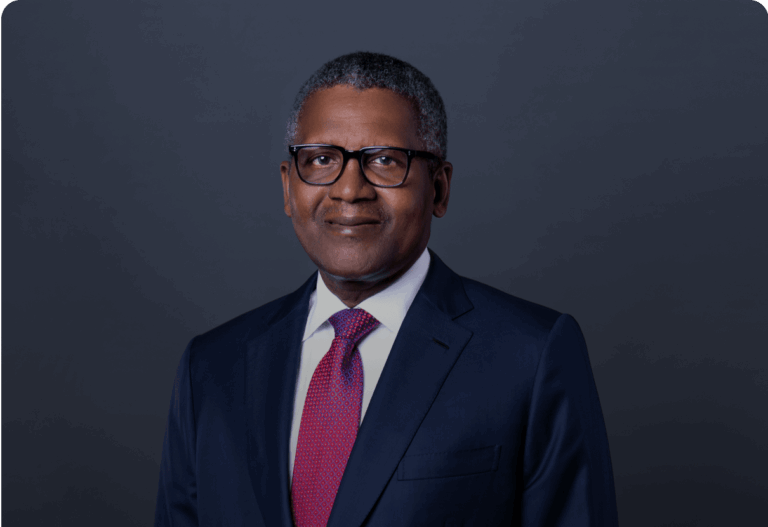
CFO Corner: Anjana Mistry, Emergn
Emergn’s CFO-COO shares why empathy, psychological safety, and storytelling shape leaders.
Anjana Mistry joined Emergn, a technology and management consultancy, in 2019 as its Global CFO, based in London, following a 22-year career at IBM, where she held senior leadership positions, including CFO of IBM UK’s Global Technology Services (GTS) business.
She began her career at HSBC.
Mistry spoke with Global Finance about her dual role of CFO-COO, the importance of empathy in financial leadership, and the skills that future finance chiefs will need to succeed.
Global Finance: More companies are merging the CFO and COO roles. Is the era of the old CFO in its twilight?
Anjana Mistry: It has been for some time. At IBM, we talked about finance as the trusted business advisor. Because it’s not just about the numbers; it’s about bringing them to life and helping the business make better decisions. Early in my career in Paris, I was frustrated that I was making charts while a colleague sat in meetings with senior executives. The CFO pulled me aside and said, “You’re not coloring in charts. You have the power of the pen. You’re telling the story.” That’s still how I approach our board presentations at Emergn. Finance isn’t a separate section; data is woven throughout. As CEO Alex Adamopoulos often tells me, “You see things in numbers that people don’t.”
GF: Is taking pride in your employees a quality that is inseparable from being a good CFO?
Mistry: Absolutely. I believe people do their best work when they feel supported and know they can make mistakes. I’ve had many discussions with my good friend Amy Edmondson, [author and Novartis professor of Leadership and Management at Harvard Business School], known for her work on psychological safety, and this is something I’ve always believed. I tell my team that mistakes are mine to own. If something goes wrong, I take responsibility. I may have a firm conversation with someone, but I won’t pass the blame down. Success, on the other hand, belongs to the team. If something fails, I haven’t done my job as a leader. If something succeeds, it’s because my people did theirs.
GF: What tools do aspiring CFOs and chief operating officers need over the next five years to be effective that perhaps they didn’t think they needed five years ago?
Mistry: First, don’t forget the people around you, above and below you. They helped make you who you are, so bring them along on the journey. You can’t buy loyalty, and a loyal team is a resilient one. Pay it forward, too. Look for the “rough diamonds” who may be overlooked because they’re not the loudest voices in the room. Recognize their potential and give them opportunities. You can’t do the CFO’s job alone, and how you show up every day influences how your team leads others. I also encourage aspiring CFOs and COOs to work outside their lane. Take on unfamiliar roles and understand how other parts of the business operate. My 22 years at IBM gave me experiences and relationships that made me the executive I am today. Too many people focus on themselves. But there’s so much more joy in helping others succeed and seeing them happy.
GF: It sounds like you’re saying empathy is a strength.
Mistry: Yes. My 60 words or 60,000 words, and your one word! Martin Schroeder was IBM’s CFO and is now Kyndryl’s CEO. He was one of my sponsors, and we spoke once a month. We rarely talked about work. We’d talk about what I was doing in my garden or whatever else was going on. He once told me, “You know what I love about you, Anj? It’s so nice to have a conversation with someone who doesn’t ask me for anything.” I just wanted to stay connected. He said I had empathy, and that there wasn’t enough of it, particularly in finance, where things can be hard and cold. The future CFO needs that people side.
I remember being in New York during a particularly difficult period in India, when Martin asked what I needed for my career. I told him I couldn’t think about my next job. I needed to finish what I’d committed to first. People are so anxious to jump from one job to the next that they sometimes don’t get the full breadth of the role or finish what they start. And I think that’s important. Someone once told me my energy was contagious, that I was just a happy person. And I said, “Why be miserable?”
Anthony Noto covers corporate finance and private credit. Contact him at anoto@gfmag.com