A Tanzanian publisher boosts AI adoption with a social script converter
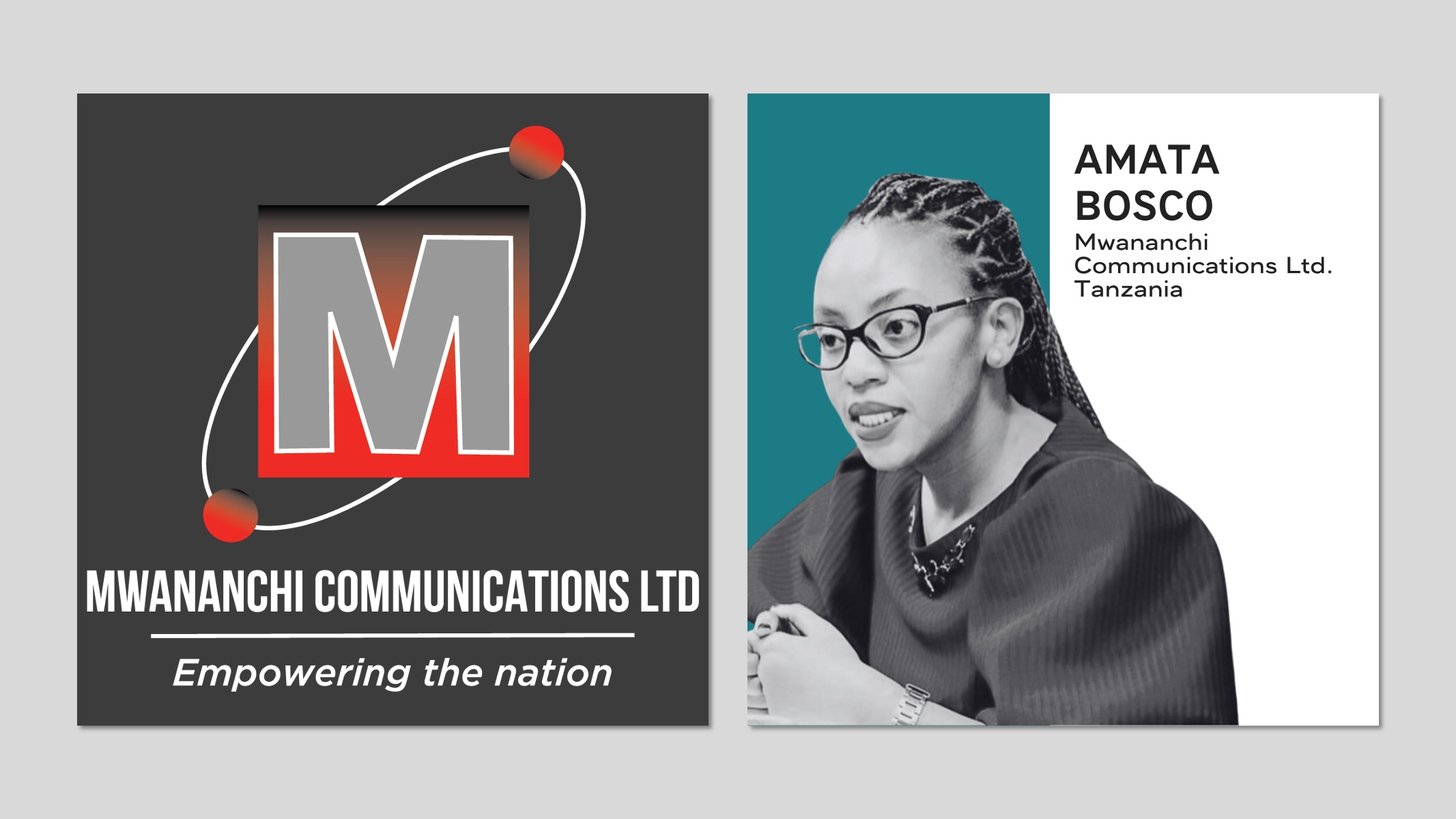
About the publisher: Mwananchi Communications Limited, Tanzania’s leading media house, is the publisher of daily print newspapers Mwananchi (in Swahili) and The Citizen (in English) in addition to running news websites, mobile apps and digital platforms. The company operates as a subsidiary of the Kenya-based Nation Media Group.
Transforming articles into social media posts
When Amata Bosco, Digital Business Manager at Tanzania’s Mwananchi Communications Limited (MCL), considered various options for how to use AI to enhance her company’s workflows, it did not take her long to identify social media content as a promising area.
Bosco explored AI use cases as part of her participation in NextGen AI Leaders, a WAN-IFRA programme in partnership with the Google News Initiative. The programme is designed to help young media leaders reach the next stage in their careers through responsible AI deployment and strategic leadership.
Bosco’s specific goal for AI implementation was to streamline the production of social media posts, as she realised that an AI-powered solution could support the publisher’s team of three digital editors working on the company’s digital channels.
“I was seeing a lot of manual and repetitive work, and I felt that they could benefit from AI,” she explained.
She clarified that MCL’s newsroom is clearly divided into print and digital journalists. The background to this is that print business remains “our bread and butter,” she said: 90% of the publisher’s revenues come from print.
Most journalists therefore work primarily for the print editions, while the digital team is in charge of choosing stories from print for online publication and handling social media distribution. The same team also manages the publication of sponsored posts on the company’s social channels.
To lighten the digital team’s workload, Bosco set out to develop a social script converter that ingests articles and generates post drafts for the publisher’s main social accounts (Facebook, Instagram and X), also taking into account the different tones and styles that that are best suited for each platform.
‘We cannot escape AI’
Several stakeholders participated in the development of the social script converter tool, from a software developer to an executive editor, as well as representatives from the HR and commercial teams.
The tool is now fully operational, and the digital team use it to publish about 20 posts a day. Moreover, Bosco said that it has helped the team become more collaborative when working with advertising clients.
At the moment, the converter is only used to create English-language posts for The Citizen’s social media channels, as the team found that it was hallucinating more when generating content in Swahili.
The first version of the tool was created on a shoestring, but an additional budget has already been approved for further development. The goal is to add support for TikTok and a summarisation feature for short videos, which Bosco said will be useful for dealing with extracted clips from their advertising clients’ live-stream sessions.
As for wider AI adoption in the company, Bosco said that a major focus for MCL is to expand AI use from the newsroom to non-editorial departments: “As the leading media house in Tanzania, we cannot escape AI.”
“The social script converter is a practical step in our digital-first journey. It is helping the digital team move faster without losing accuracy,” said Mpoki Thomson, Executive Editor at MCL. “We will keep building it to make our journalism more efficient.”
We spoke to Bosco to learn more about how the NextGen AI Leaders programme helped shape her views on AI leadership. This interview has been edited for length and clarity.
‘Try to be empathetic. Do not give up.’: Q&A with Amata Bosco
WAN-IFRA: How did your perspective on AI leadership evolve during your time in the NextGen AI Leaders programme?
Amata Bosco: It helped me a lot in terms of empathy. As I was introducing [the social script converter tool] to the editors, I knew they might think, “What is this you’re bringing to us? Will it take our jobs?” I would explain to them, “AI is going to help and enhance workflows. AI is not coming to take your job, but it will help you do your job better.”
Naturally, there might be some resistance in news organisations trying to push AI adoption and experimentation. Can you say more on how you have dealt with that?
It’s definitely human nature that people like doing things business as usual. When something comes to disrupt what people are already used to, especially in a newsroom where people are often used to doing things in a certain way, it can bring some resistance.
If you’re met with resistance, put yourself in those people’s shoes. It is best to explain the benefits that these people are going to get from AI.
What milestone felt like a true breakthrough?
Working collaboratively with our digital editors and seeing that their work has improved, and that they are taking less time to do what they do.
Also, getting acknowledged for developing something that is making a difference in the newsroom, especially on the digital side. As print is declining everywhere, we are relying more on digital revenues. So helping people in the digital space work efficiently and bring in more digital revenue is something that is appreciated in the company.
Has participating in this program influenced your role or career path?
Yes, definitely. Having been involved in AI transformation and participating in the NextGen AI Leaders programme has helped me manage AI transformation. That is something that is very huge here, now that everybody is looking for a person that has been involved in AI.
If you could give one piece of advice to another media leader trying to implement AI right now, what would it be?
Try to be empathetic. Do not give up. There will be hurdles, but push on. You’ll be given excuses, like “there is no budget.” But follow up until the end, and you’ll succeed.