In the AI era, ‘our vulnerability is delivery, not content,’ says SCMP’s chief technology officer
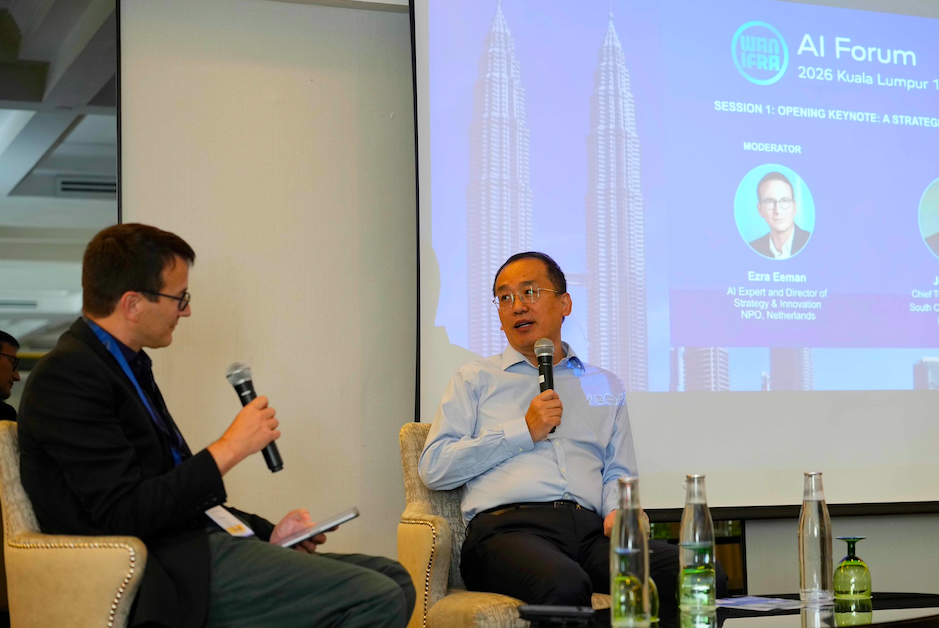
Jun Zhang, Chief Technology Officer of the South China Morning Post, recently described his views on the industry’s three most urgent technological challenges, and what news publishers should consider in addressing them.
“As a tech guy, I think there are three metrics that are especially alarming,” Zhang told participants at WAN-IFRA’s AI Forum in Kuala Lumpur. Specifically, these metrics are:
1- Loss of users and traffic due to changes in search, and the way audiences use it.
2- Declining engagement. “Even for our active users, reading time on the site is also decreasing,” Zhang said.
3- Lack of a clear future audience. “Our current user-base is shrinking. The majority of our readers are about 45 years old. And the new, younger generations are not coming to our site,” he said.
“The picture is very clear: If we don’t reverse this trend, in two to five years, some news organisations are going to start to disappear. We must find a solution. We must react to survive and thrive in this age of AI.”
The three big questions to ask
When he began thinking about the news industry’s current issues and how to address them, Zhang said the first framework he thought of was The Innovator’s Dilemma, which was published by Harvard Business School Professor Clayton Christensen in 1997.
“The framework is very simple: The idea is that when there is a disruptive technology, many rigid companies fail,” Zhang said.
They fail not because they don’t avail of the new technology or invest in it, he added, but rather “because they don’t apply the technology in the right way. They apply the technology in their existing user-base and in their existing product and their existing business model,” he said.
Instead, Zhang noted, company leaders should ask these three questions:
- How does the technology disrupt our current user base?
- How does it disrupt our product?
- How does it disrupt our current business model?
If news publishers apply this model to news and AI, he noted, they have two choices.
“We apply the AI technology to what we are doing today, for example in the newsroom to make our editorial workflows faster. It’s useful, but it will not solve our survival issue,” he said.
Instead, Zhang said, publishers should invest in line with how “users are changing, and how they use AI.”
The natural resilience of news
Zhang did suggest there are reasons for hope, however, starting with the natural resilience of the news industry.
With the Innovator’s dilemma framework in mind, he said news publishers should focus on three things.
1- Believe in the future. “Before we start a fight, we must know if we have a winning chance,” Zhang said. He believes news companies can survive and thrive because of the inherent strengths. “The news industry is one of the most resilient industries in the world. Many of the organisations represented in this room are over 100 years old. For the South China Morning Post, we are 123 years old, and we have gone through many, many technological disruptions for the last century: from the telegraph to radio to TV to internet, social media and mobile.”
2- Win the key battleground. Specifically, he said this means publishers should focus on the reader experience first, and editorial productivity second.
3- Decide on what the three key bets should be today. At SCMP, Zhang said they are focusing on AI Search & Ethical Personalization, Liquid Content Engine and Agentic web.
Ultimately, Zhang said, what matters is relevance. “If you don’t give people the relevant information they want, they won’t use you.”