Women in News launches new round of its Social Impact Reporting Initiative
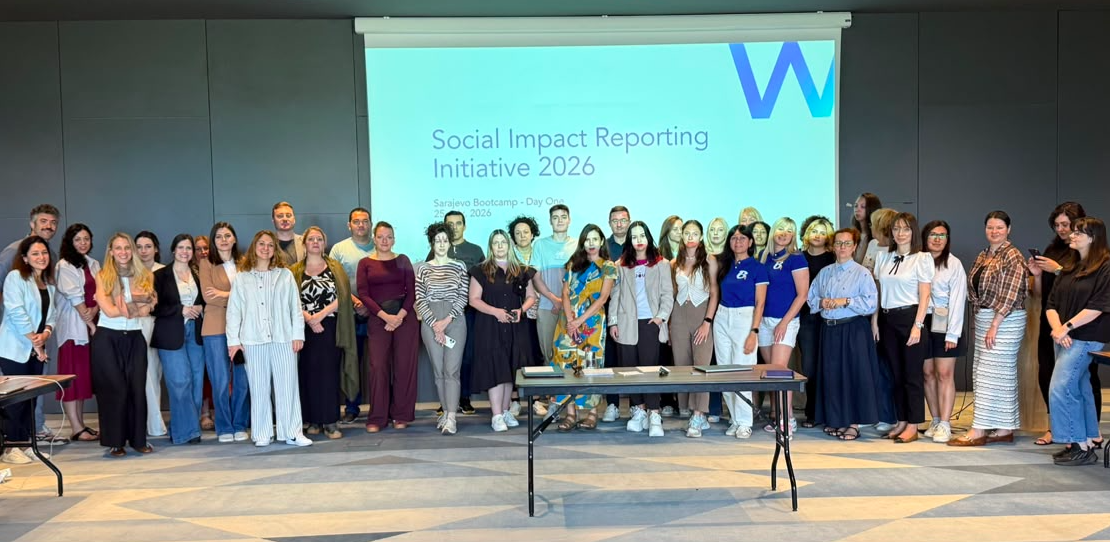
The programme kicked off with a two-day bootcamp in Sarajevo, Bosnia and Herzegovina, on 25 and 26 July, bringing together 18 independent media organisations from Albania, Bosnia and Herzegovina, Serbia, Kosovo, Montenegro, North Macedonia and Ukraine.
The cohort includes 13 organisations from the Western Balkans, marking WIN’s first engagement in the region, and five Ukrainian media organisations that are also part of WAN-IFRA’s Stronger Together programme. Their participation builds on WIN’s longstanding support for independent media in Ukraine and its partnership with the Association of Independent Regional Publishers of Ukraine (AIRPPU).
Over the next six months, each organisation will receive a €10,000 grant and tailored support to develop and publish three investigations addressing issues that matter to the communities they serve.
Building the foundations for impactful investigations
The Sarajevo bootcamp provided participating journalists and editors with practical tools for every stage of the investigative process, from identifying and researching a story to choosing the most effective format, reaching the right audiences and measuring impact.
Sessions covered research methodologies, open-source intelligence and OSINT tools, video investigations, multimedia storytelling, audience engagement and impact measurement.
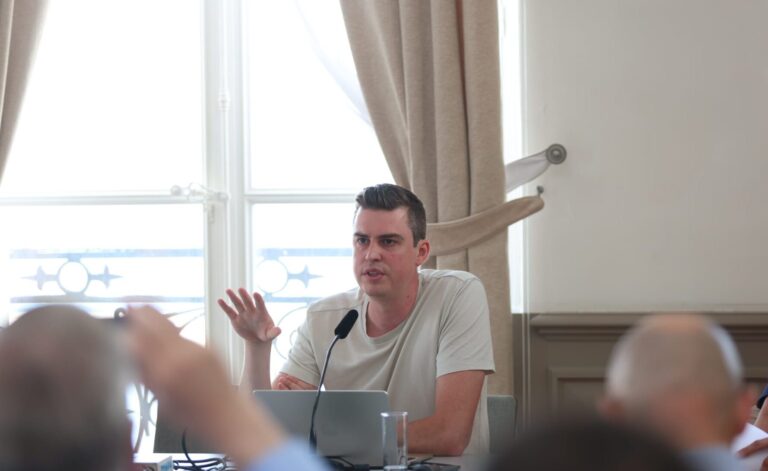
The training was delivered by experts from across the journalism industry: Martin Schori, co-founder of Hint Media in Sweden; Shaya Laughlin, Research Director at the Organized Crime and Corruption Reporting Project (OCCRP); Andrea Abellán, Audience Engagement Producer at Investigate Europe; Gianluca Mezzofiore, Senior Visual Investigations Editor at CNN; Tamara Qiblawi, an investigative journalist and Senior Reporter at CNN; and Nataliia Lazarovych, a Ukrainian multimedia journalist and trainer. They shared their expertise and worked directly with the newsrooms as they began shaping their projects.
The bootcamp also allowed participants to exchange experiences, discuss the challenges facing independent media in their countries and build connections across the Western Balkans and Ukraine.
Learning will continue throughout the six-month programme through online sessions and one-on-one mentorship. The first online training will focus on preparing for and responding to strategic lawsuits against public participation, commonly known as SLAPPs, when publishing investigative stories. Mentors will support each newsroom as it researches, produces, publishes and amplifies its investigations.
Why invest in investigative journalism?
A new global evidence review, The Value of Journalism: Global evidence on why media matters to economies, national security and crises, makes a compelling case for investing in public-interest journalism.
Commissioned by the International Fund for Public Interest Media in partnership with DW Akademie and UNESCO, the review found that every US$1 spent on investigative journalism can result in more than US$100 in public savings through reclaimed funds, improved public services and reduced corruption.
These findings reinforce the thinking behind this round of SIRI. Investigative journalism does more than reveal wrongdoing: it can strengthen accountability, help communities make informed decisions and contribute to institutional and social change. Yet producing investigations requires time, resources, specialist skills and sustained editorial support—all of which are becoming increasingly difficult for independent media organisations to secure.
By bringing these elements together, SIRI aims to help newsrooms undertake ambitious investigations and ensure their findings reach and engage the communities most affected by the issues they uncover.
From an emergency response to a pillar of WIN’s work
SIRI was launched in 2020 in response to the COVID-19 pandemic, when journalists and media organisations faced severe financial and operational pressures while communities urgently needed reliable public-interest information.
It has since grown into one of the pillars of Women in News’ work, helping media organisations and individual journalists cover issues and voices that often fall outside the lens of mainstream media.
To date, SIRI has supported more than 257 individual journalists and 123 media organisations across 18 countries, including Ukraine, Afghanistan, Palestine, Lebanon, Myanmar, Kenya and Uganda. This has resulted in more than 5,000 pieces of public-interest content addressing issues such as gender equality, inclusion, climate, health, social welfare and the effects of war on marginalised communities.
The new programme in the Western Balkans and Ukraine coincides with SIRI’s third consecutive year of support for freelance women journalists in Gaza. In the latest SIRI Gaza round, 30 journalists will each receive a grant, training and individual mentorship to produce two stories highlighting underrepresented experiences and issues.
Across these different contexts, SIRI’s purpose remains consistent: to give journalists and independent media the resources, skills and support they need to tell stories that serve their communities and contribute to change.
The programme is made possible through the continued support of the Swedish International Development Cooperation Agency (Sida).
Read the SIRI Impact Report and learn more about the programme’s work since 2020.