The best thing journalists and newsrooms can do right now? Ask people why they don’t trust you
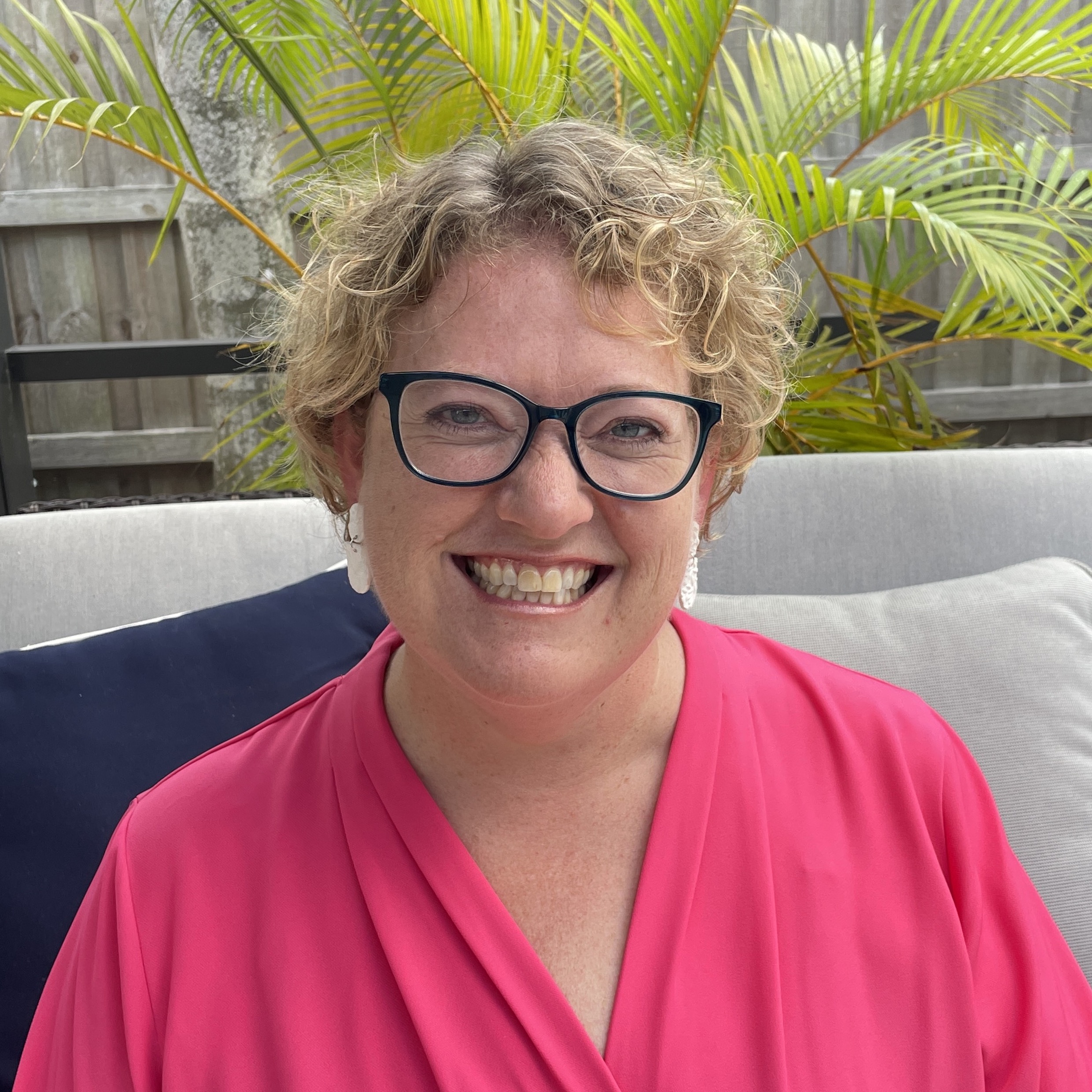
Joy Mayer founded journalism support organisation Trusting News in 2016 after two decades in newsrooms and teaching.
At Trusting News, Mayer and her team empower information providers to actively earn trust,“train journalists on strategies to demonstrate credibility and bring both transparency and humility to their relationship with the public.”
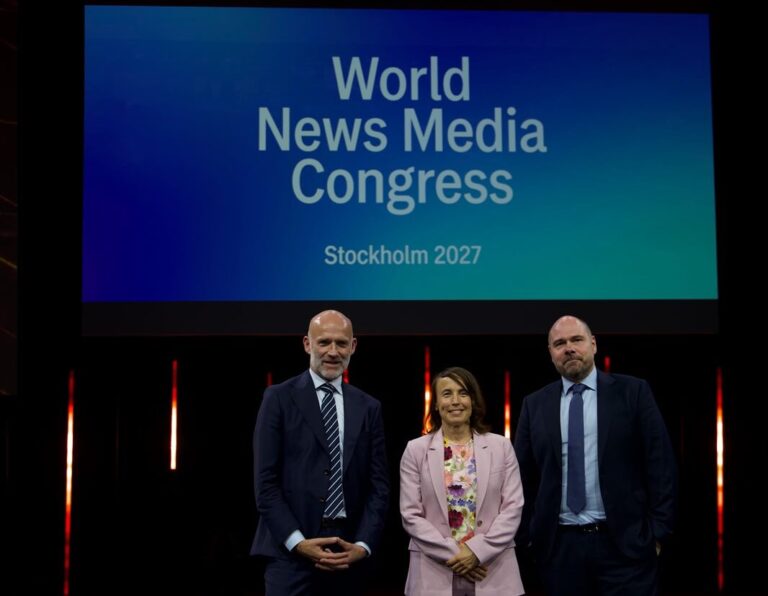
Mayer will talk about ‘Earning trust when confidence is low and audiences hostile or indifferent’ at the upcoming 77th World News Media Congress in Marseille.
She shares why, in a decade of helping journalists earn trust, nothing has moved as fast or felt as contradictory as AI.
Things have changed: have strategies shifted; do some no longer work?
We at Trusting News are in a continual cycle of learning and the way the public responds to journalists has changed in the decade we’ve been doing this, and what we recommend has evolved.
Where things shift fastest are when the information ecosystem is changing fastest.
An example: My colleague, Lynn Walsh, is leading our research around AI and public perceptions of how journalists use AI – and the findings feel contradictory: 94% of people say they want journalists to disclose if they use AI. But of course, 94% of journalism is not disclosing how they’re using AI.
But then our follow up research had journalists test ways of disclosure, and we could see which versions of disclosure were the most effective – but fundamentally, drawing attention to our use of AI lowered trust. So that feels contradictory.
However, it does not mean that we shouldn’t disclose it. That can’t be the takeaway.
The takeaway has to be that we need to educate our communities about what AI is, good and bad – and we need to help them understand why we feel comfortable, and we hope they feel comfortable, with the specific ways we’re using AI, and how humans are involved in it.
It’s not replacing any jobs. It’s not outsourcing, important fact checking.
So that is one where our strategies have to be continually evolving, because public perceptions and understanding is evolving so quickly.
How should journalists approach AI?
Journalists need to see the rise of AI as an added complication in people’s ability to navigate news. Audiences were already confused about what to trust; now many are unsure what is even real. So I do think that journalists have a real opportunity to enhance their credibility by emphasising the role humans play in producing new knowledge, while AI is based on existing information on the internet.
Also, journalists have an opportunity to really help their community understand what AI is good at, what it’s bad at, and build some media literacy.
So journalists have a real opportunity to better equip people to navigate information in general. We’ve been researching ways that journalists can build AI literacy in their communities, and we have a new Trust Kit coming this summer.
How can journalists be transparent about their use of AI in ways that build rather than erode that trust?
A key finding in our research is that people want to know why AI was used; what it allowed the journalists to do that they would not otherwise be able to do, and how humans were involved.
What’s the safeguard? What are you outsourcing to AI? Why are you doing that? How are you making sure that that does not limit your credibility or your responsibility or how much accountability you have? We have research on our website that shows what type of use people feel comfortable with.
As long as we explain why or how, and not just disclose that AI was used, because that causes more confusion. Often, people don’t understand why we’re doing it. And anytime somebody doesn’t understand us, they’re not giving us the benefit of the doubt.
So we just have to be clear about saying here’s why we’re doing this – and the industry isn’t; I have journalists say to me, “Well, no responsible journalist would use AI” – like across the industry. We’re not in agreement about what’s appropriate use. And, of course, the public is confused.
What single most effective thing can a newsroom or journalists do tomorrow to meaningfully move the needle on trust?
Ask people why they don’t trust you. Talk to people who are not already consuming what you do and understand why and whatever mis-assumption they have about your work, then create a counter-narrative.
Whatever complaint somebody has about journalism, understand that mistrust and the roots of it, and then create a counter narrative about why that does not fit your work.
What’s most surprising about this very tumultuous news landscape?
I think that the very things that make this landscape complicated also include, for me, a whole lot of optimism, because it is for it is that more people are finding information in ways that work for them
It is more complicated for them to determine which sources of information are accurate and credible and produced in the spirit of journalism, but when I see the way that independent journalists on social media are really helping people understand the world from a first-person perspective, often with, fact-checked information, in a way that does not feel condescending or overwhelming to people, but that is actually useful – that makes me feel optimistic. I think it’s a destabilising time for journalism, but it’s also an exciting time.
Where do you place your own trust as a news consumer?
My priority as a news consumer is to turn to diverse sources and make sure that I am engaging with the best versions of how different people see the world.
So I have some news sites I turn to, like Tangle News is one I really like; it’s specifically designed to engage with the best version of ideas from across the political spectrum. I also love an app called Ground News that shows me what I might be missing, because it shows how a topic is being covered by news sources that identify differently politically and I like to see, in general, how mainstream outlets are taking different approaches to the same coverage. I think it’s just important for all of us to realise that none of us are seeing the full picture.