How The Washington Post is making relentless journalism visible
“What it took to uncover this story.”
On Tuesday, during a visit to The Washington Post, I was introduced to one of the most ambitious projects of this kind I have seen, if not the most ambitious.
Showing the work, not just the result
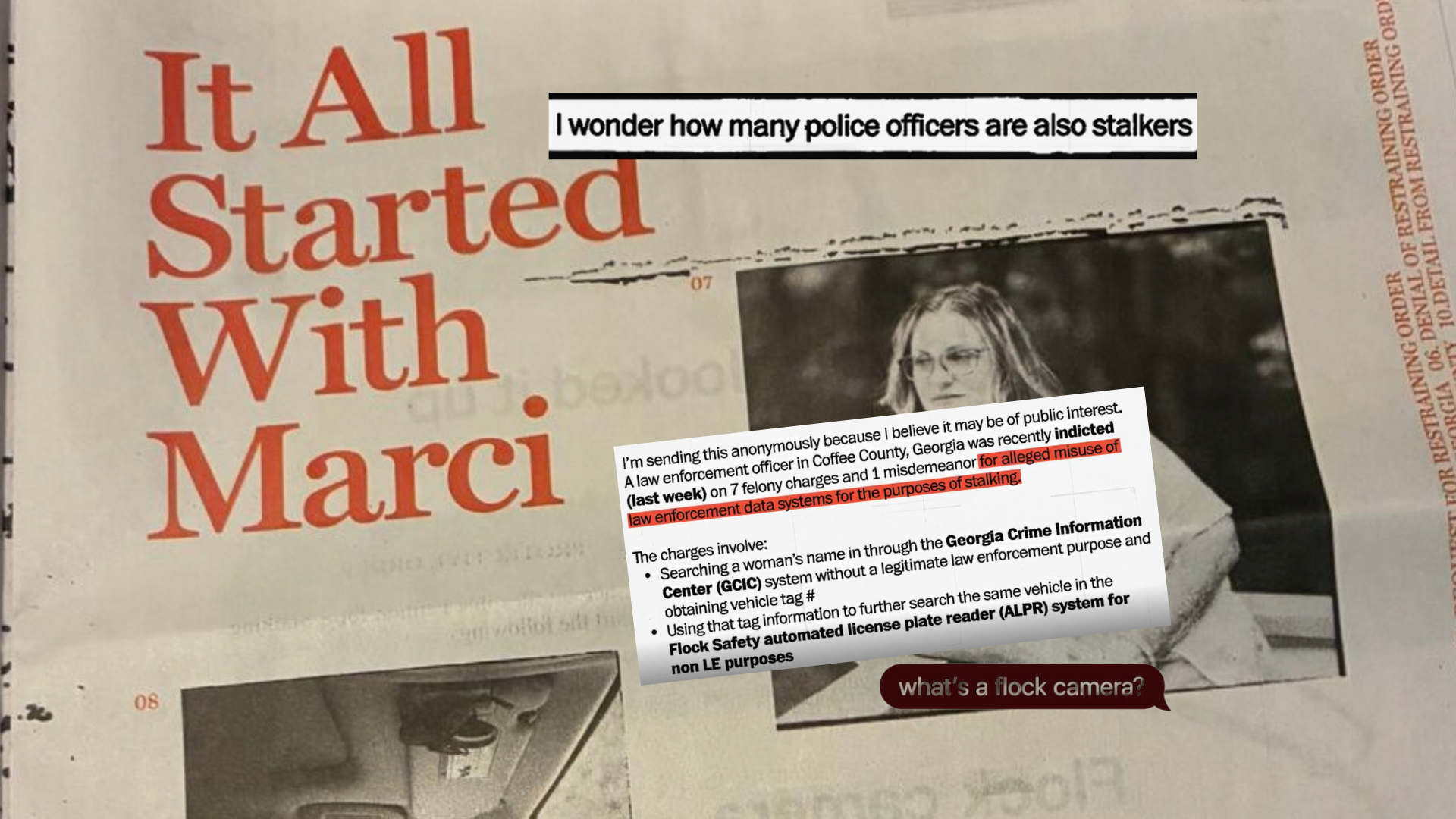
The Post has produced two extraordinary special sections that take readers inside the making of a major investigation into how rogue police officers used a nationwide network of license-plate cameras to stalk women.
Rather than presenting only the finished journalism, the sections reveal the enormous body of work behind it: interviews, documents, police and court records, verification and reporting, along with the many individual pieces of evidence that had to be found and connected.
The first section follows the journalists deep into their investigation, only to end with them reaching a dead end.
But they keep going.
That is where the second section begins. The reporters continue digging, eventually find the breakthrough and uncover the full story.
From one story to a brand platform
What excites me most is that the Post is not treating this as a one-off explanation of how a story was made. It is making this concrete example of original investigative journalism the centrepiece of Relentless, its new brand platform.
Relentless is built around making the journalism itself visible: showing how stories are uncovered, how facts are established and what it takes to produce reporting that creates new knowledge and holds power to account.
The campaign does not simply describe The Washington Post as relentless. It shows readers what relentless journalism actually looks like.
A newsroom determined to move forward
The Post has been through a demanding period of change and difficult decisions. That makes its decision to place ambitious investigative journalism at the heart of its future all the more encouraging. Under Executive Editor Matt Murray, the direction appears clear: The Washington Post stands by its journalistic core and its belief in the value of original reporting.
Stig Ørskov and Dietmar Schantin at The Washington Post.
I was shown around the newsroom by Dietmar Schantin, whom I know from his time at WAN-IFRA and who is now supporting The Washington Post in the continued development of its newsroom. It was wonderful to see him again, and to experience first-hand a newsroom determined to move forward.
Why it matters
I particularly admire the ambition to show readers what investigative journalism requires, and why it creates real value for readers and society.
Launched only a day after #WorldNewsDay, the message could hardly be more timely. The future of news will not be secured by producing more of what machines can reproduce. It will be secured by journalism that someone has to go out and uncover.
Worth Noting: The launch coincides with that of the inaugural Washington Post Impact Report, a mix of more than 40 stories – submitted by reporters and editors in the newsroom – that showcase The Washington Post’s role as a steward for driving change, addressing wrongdoing, improving lives and supporting our democracy. The report will be published on a biannual basis, with the second edition publishing in the first half of 2027.
Stig Ørskov is CEO of WAN-IFRA, the World Association of News Publishers.