‘Don’t build on borrowed land’: Times Internet COO on the shift from clicks to building (and monetising) reader relationships
Who is your most important reader segment? Publishers are likely to have different answers, but for too many of them, for too long, the honest answer to that would have been “the crawler.”
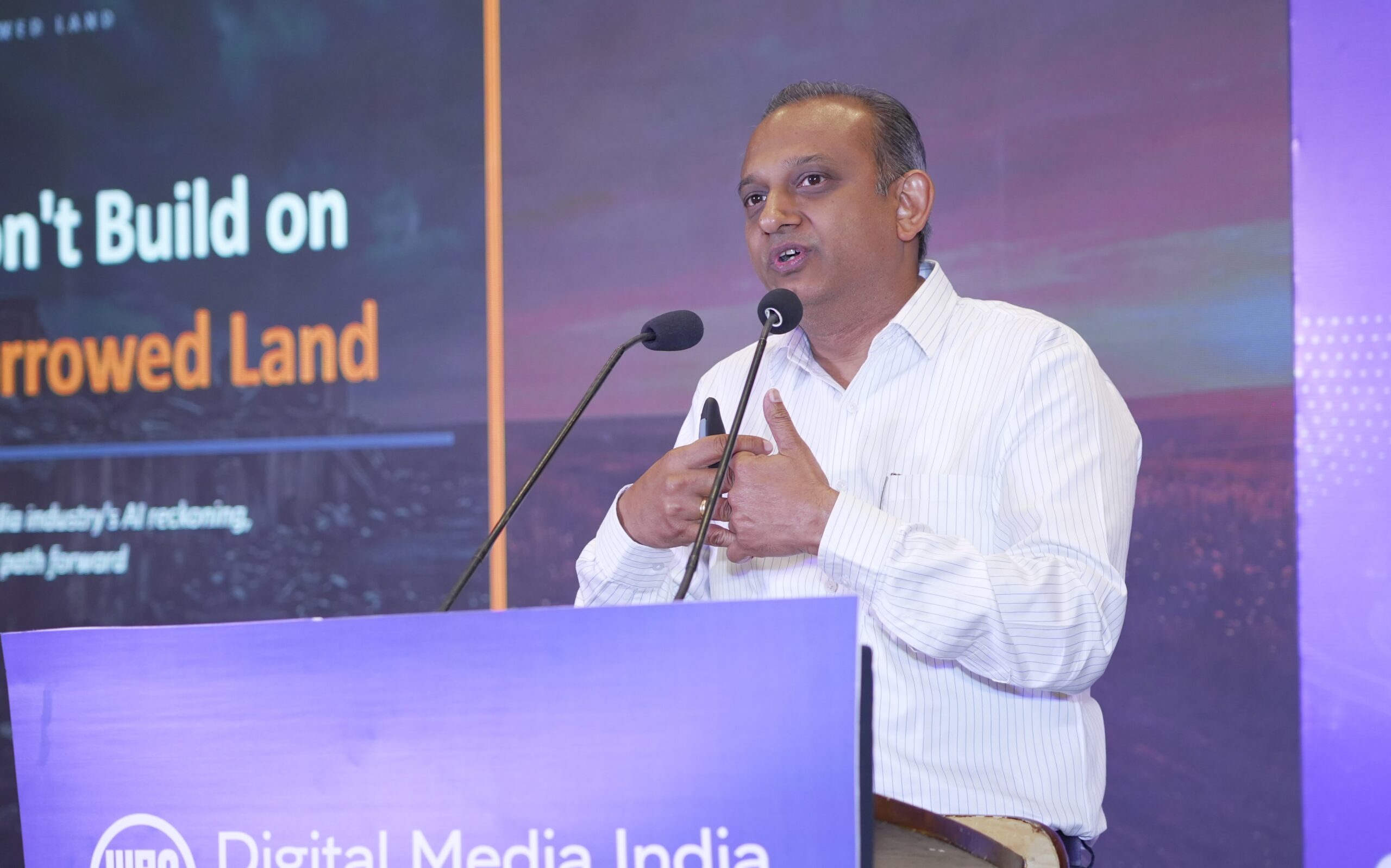
That’s the view of Puneet Gupt, COO of Times Internet, the digital arm of India’s largest media company, The Times Group.
“It’s the crawler for which we optimised our headlines. It’s the crawler for which we wrote the meta tags, and changed the content length,” he said.
“And in doing that, we lost track of who our loyal readers were. We were busy building traffic. We were not building audiences.”
With changing search algorithms and the rise of AI, he argued that this era is rapidly coming to an end, and that publishers’ top priority should be realigning their businesses for this new reality.
Speaking at WAN-IFRA’s Digital Media India event in New Delhi, he said publishers are facing “a structural shift” with the traffic they get from third-party platforms:
“This is not an algorithm change. This is an ecosystem change. And how we respond to this determines how we will flourish,” Gupt said.
His key message for publishers: “Don’t build on borrowed land.”
WAN-IFRA Members can access Puneet Gupt’s presentation on our Knowledge Hub.
AI-native CMS and operations
Gupt outlined some elements of what he called a playbook to help publishers make this shift successfully.
He emphasised the need for quick action: “The runway is short,” and so there is a need to make progress with all parts of the playbook simultaneously: “There is no time to do them one after the other. It has to be done all in real-time, parallel together.”
The first area: building AI-native operations. This means a deep rethink so that “it’s not just AI added over something that you are already doing. It’s a complete redesign,” Gupt said.
A key part of that is having a CMS that “can do everything AI-natively,” he said. For instance, Times Internet’s CMS supports fluid workflows, going from trending keywords to content, and converting articles into videos and photo stories, all in multiple languages.
“It’s not an afterthought, but the way the CMS has been rebuilt. It’s a core part of what we do.”
However, Gupt was clear that infusing the CMS with AI features is only one step, and that this alone is not enough for the whole organisation to achieve AI-driven efficiencies and other benefits.
“You have to leverage AI in everything that you do. That’s going to increase revenue, reduce costs, shorten time to market, grow the efficiency of teams and safeguard the business.”
Building closer audience relations
The second part of the playbook concerns building direct reader relationships, something that he said many publishers have neglected for too long – especially those with ad-driven revenue models.
Many publishers are now in a position where they need to build a new “muscle memory”:
“How do you make money through relationships? How do you make money through trust? How do you make money by investing in the readers and through attention, and not distraction?”
Times Internet has been expanding its portfolio in this area, having created new offerings such as ETPrime, the premium (paywalled) part of its Economic Times brand, and niche publications such as Times Health+ (focusing on wellness) and TOI Homes (a real-estate brokerage).
Gupt said these are just examples, and each publisher needs to reassess the types of audience-driven products that make sense for their particular identities: “These came naturally to us. Some other relationship-based businesses will come naturally to you and your organisation.”
“It’s not about the same set of businesses. The idea is, what can you build on the back of a trusted relationship where you respect your customers, you have consent-based data, and then you create a product which is very high value.”
‘Trust is a conversion multiplier’
Finally, the third pillar of the playbook builds on the previous point by focusing on creating trust-led revenue, which aims to monetise the closer relationship with the audience instead of maximising traffic.
Optimising for trust is indeed a business strategy, working as an accelerator of the audience-focused approach, Gupt said.
“I keep telling my team: ‘Trust will always convert better than any conversion funnel, any traffic-based conversion that you see,’” he said.
“Trust is a conversion multiplier in whatever product you create.”
Being a trusted brand is also essential in building the kinds of business relationships with your audience where you become a key part of their important life decisions. These can vary from health and education to career and real-estate decisions.
Again, the business impact is real: Gupt said that ARPU multiplies significantly when members of Times Internet’s audience move from ad-supported platforms to other parts of the ecosystem.
Gupt concluded by underlining the urgent need for publishers to act quickly: “We all know that time is limited. Traffic is declining, and we have to move fast.”
This is where smart AI use can accelerate old development cycles. Building a new feature may have taken three months in the past, but it’s a luxury publishers can’t afford anymore, he said: “It’s no more three months. Features are one week. Products are two weeks.”
“There is a need to move fast as the window will close. You can see it sliding already.”
“The ad click era is over. The algorithm era is over. I think we are at the dawn of the relationship era, and we need to connect to our customers, know our customers.”