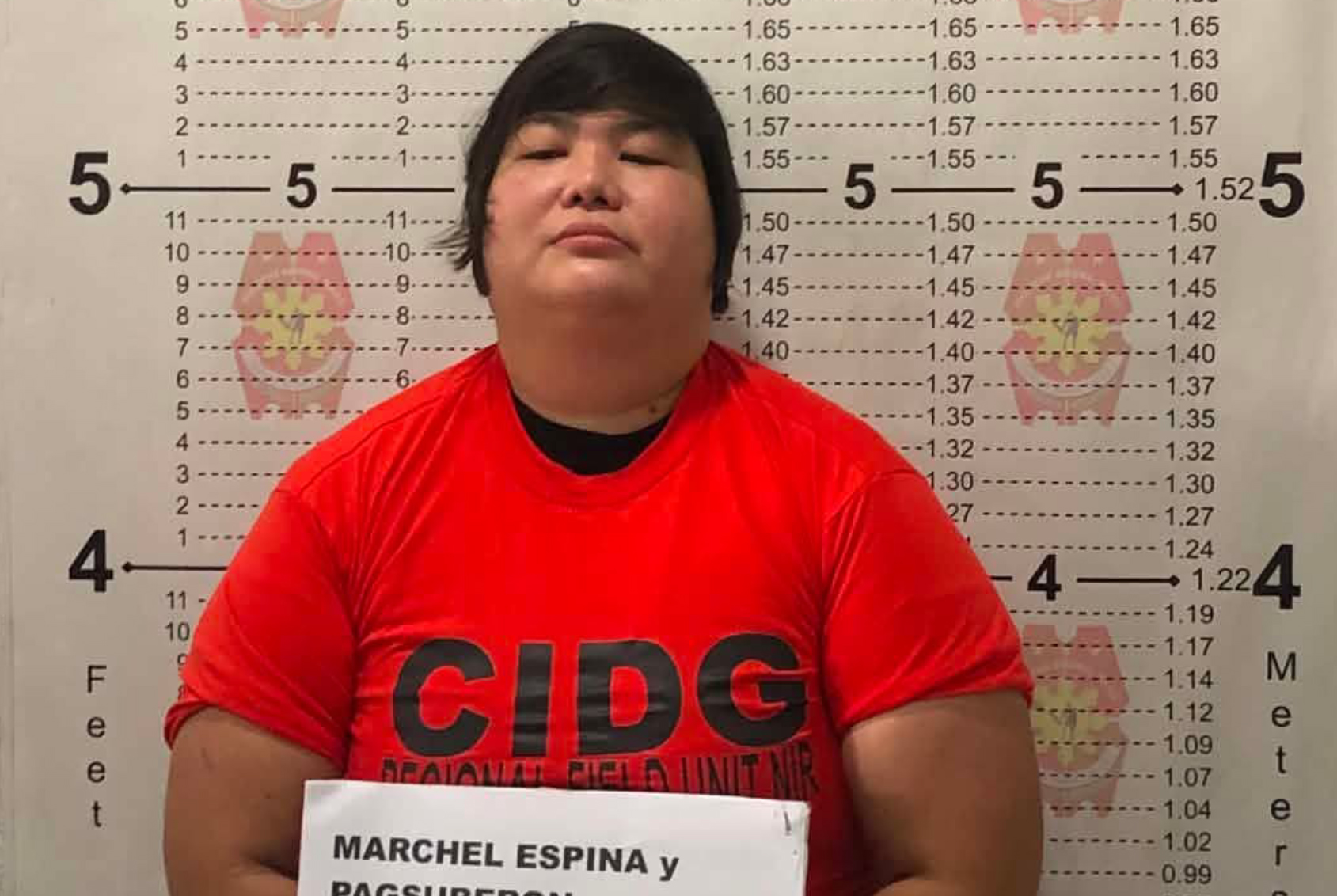
World’s press condemns arrest of Philippine journalist Marchel Espina
Marchel Espina, a prominent member of WAN-IFRA’s global Women In News (WIN) and SaferMedia programme teams, is facing criminal charges of ‘cyber unjust vexation’ in relation to an opinion article written by an external contributor and published in December 2024, during her tenure as editor in chief of SunStar Cebu. Four other individuals connected with the Central Visayas-located media outlet are also named in the court filings.
The complainant, a minister with Iglesia Ni Cristo, an international Christian denomination founded in the Philippines, has alleged the article caused him “annoyance, irritation, torment, distress, and disturbance.” The article questioned the influence of the powerful religious group and its relationship with prominent political figures.
This is the second attempt to bring a case related to the article, following unsuccessful cyber-libel charges submitted in 2025 targeting only SunStar Cebu. Criminal unjust vexation, defined under Section 1, Article 287 of the Revised Penal Code, carries a maximum sentence of 30 days and a fine of up to 40,000 Philippine pesos.
Following the issuing of an arrest warrant by a Batangas City court on 13th July, Espina voluntarily surrendered to authorities in her hometown of Bacolod City four days later, posting bail shortly afterwards. In a statement that underlined her determination to respect the legal process, the journalist expressed concern around the use of criminal complaints against journalists and editors — an increasingly common legal mechanism in the Philippines that has been weaponised to stifle reporting and harass journalists and their news organisations.
“While every person has the right to seek legal remedies, the legal process should never be used to discourage independent journalism and reporting in the public interest,” Espina said in her statement.
While firmly denouncing the charges brought against Marchel Espina, WAN-IFRA is also deeply concerned by an apparent denial of due process. Espina learned informally of the arrest warrant issued by the Batangas court only two days prior to her voluntary surrender: as a result, she was unable to submit a counter-affidavit and is now facing a series of direct court appearances.
“We see this as an attempt – sadly, not an isolated one in the Philippines – to intimidate a journalist and send a clear message to others to back-off from reporting public interest stories,” said Andrew Heslop, Executive Director for Media Freedom at WAN-IFRA.
“Knowing Marchel, her courage and determination – along with the strong support from her colleagues in the Philippines and internationally – she will not be intimidated. Rather than prompting a Chilling-Effect, this case and the many like it over recent years simply reinforces the critical role of independent journalism. It underlines the necessity of constitutional protections for the freedom of the press against distortions of the legal process by powerful entities, who often have no interest in public scrutiny, transparency or accountability. The charges against Marchel should be dismissed and the criminalisation of the profession of journalism needs to end.”