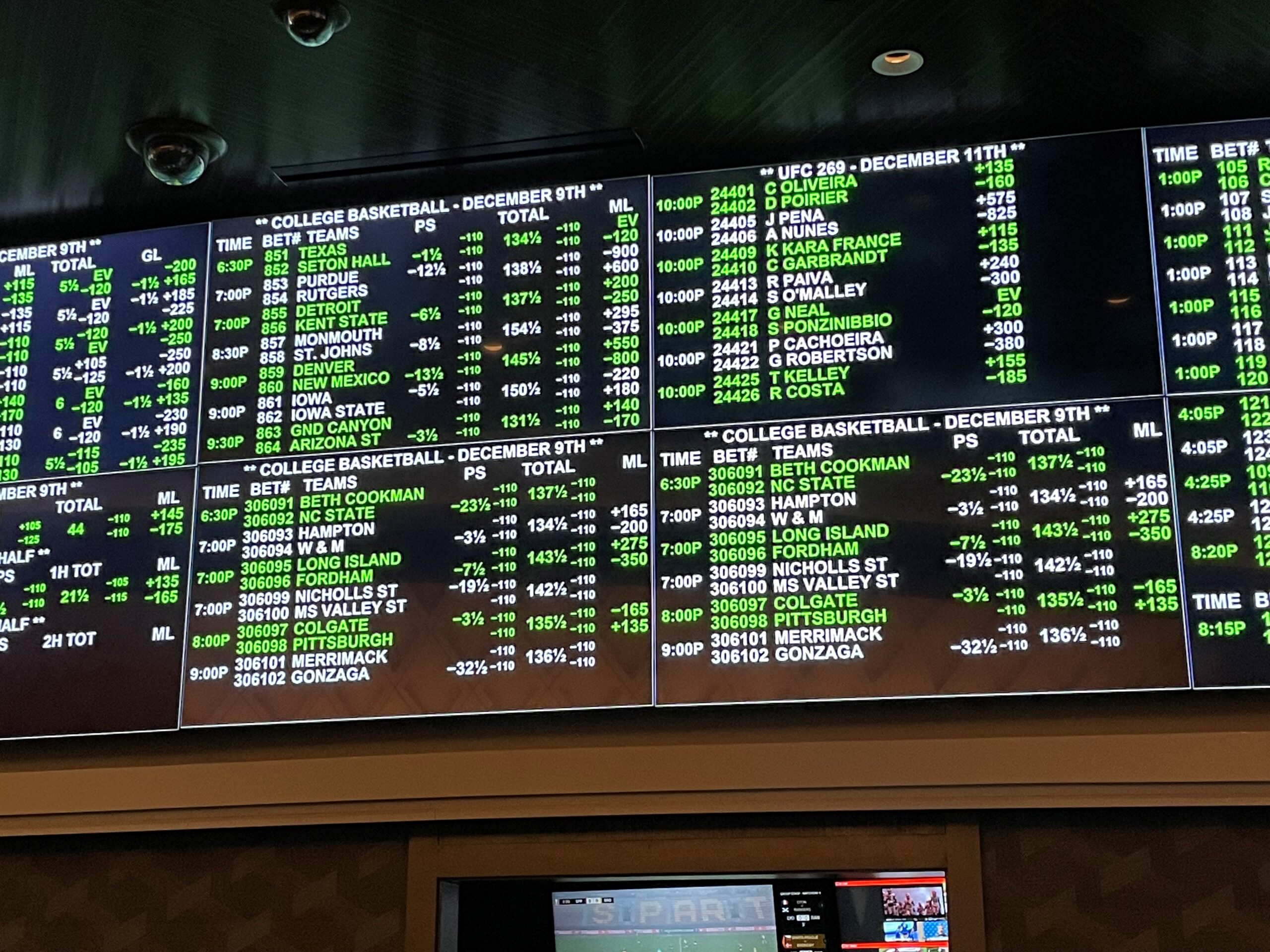
Wall Street Bets Against Gambling Industry as Financial Pressure Hits Consumers
Hedge funds betting against some of the world’s biggest gambling companies have already made more than $2.3 billion this year as confidence drains from an industry that not long ago looked almost unstoppable.
Flutter Entertainment, DraftKings and Entain have all suffered steep share price declines as investors grow more doubtful about how much momentum is left in online betting.
The sell-off is arriving at a difficult moment for consumers as well. Higher living costs, expensive borrowing and slower wage growth have already pushed many households into a more defensive mindset. Industries tied to entertainment and discretionary spending usually feel those shifts early, particularly when consumers start quietly cutting back without announcing it publicly.
Flutter shares have fallen more than 50% in 2026, while DraftKings is down around 30%. Entain, which owns Ladbrokes and Coral, has also dropped sharply this year as hedge funds increased bets against the sector.
What Is Short Selling?
Short selling is when investors bet that a company’s share price will fall rather than rise. Traders borrow shares, sell them at the current price and then try to buy them back later at a lower price to make a profit.
Hedge funds often use short selling when they believe a company is weakening financially or that investors have become too optimistic about future growth. If the stock rises instead, short sellers can lose money quickly.
Part of the industry’s problem is that the sports betting market no longer looks as protected as investors once assumed. Prediction markets in the United States have expanded rapidly by operating outside many of the taxes and restrictions traditional sportsbooks face. Billions of dollars are already flowing through those platforms every month, creating fears that established gambling companies could lose part of the market that fueled years of aggressive expansion.
Online betting expanded during years when money was cheap, consumer spending was unusually strong and investors were rewarding almost any fast-growing digital platform. That environment looks weaker now. Financial markets have become far less forgiving toward companies still relying heavily on future expansion while consumers slowly become more careful with non-essential spending.
Wall Street is also starting to treat gambling companies less like technology winners and more like vulnerable consumer businesses. That shift changes how investors react to slowing growth, regulatory pressure and weaker earnings expectations.
Entertainment spending is often one of the first things households reduce when financial breathing room starts disappearing. Consumers may not follow gambling stocks closely, but the financial behavior underneath the sell-off feels familiar across much of the economy: people becoming more cautious, businesses seeing slower momentum and investors reacting nervously to industries that depend on confidence staying high.
The pressure looks different in Britain but points in the same direction. Chancellor Rachel Reeves raised taxes on online betting and casino games in last year’s Budget, adding another squeeze on operators already facing slower growth. Entain later reported a £488 million impairment charge linked to the tax increases, while Flutter warned the changes were beginning to slow performance.
Several major hedge funds have expanded short positions against the sector, including D. E. Shaw & Co., Two Sigma Investments and Marshall Wace. The size of those bets suggests many large investors believe the industry’s slowdown may reflect something deeper than a temporary downturn.
Some analysts still expect betting stocks to recover if regulators move more aggressively against prediction markets or if consumer spending improves later this year. But the speed of the decline shows how quickly confidence can disappear once investors begin questioning whether an industry’s growth story still makes sense in a tighter economy.
The concern now is that gambling may not be the only consumer-facing industry starting to weaken underneath the surface. Markets often detect those changes before the wider economy fully feels them. Households tend to notice later through slower hiring, shrinking financial flexibility and a growing sense that everyday spending decisions suddenly require more caution than they used to.