Revolut’s CEO Says US Banks Are ‘Out of Step’ With Global Consumers | Global Finance Magazine Revolut US Bank Expansion: CEO Cetin Duransoy Interview
Home Banking Revolut’s CEO Says US Banks Are ‘Out of Step’ With Global Consumers
Revolut US CEO Cetin Duransoy reveals plans to target globally minded and “underbanked” Americans as it builds toward becoming a primary bank.
After receiving conditional approval from the U.S. Office of the Comptroller of the Currency for a national bank charter, Revolut Technologies Inc. appears ready to launch a full-scale challenge to traditional banks and fintechs in the United States.
After relatively quick growth in France, Spain, and Italy, Revolut aims to bring its superapp model to the U.S., where it doesn’t exist in quite the same form.
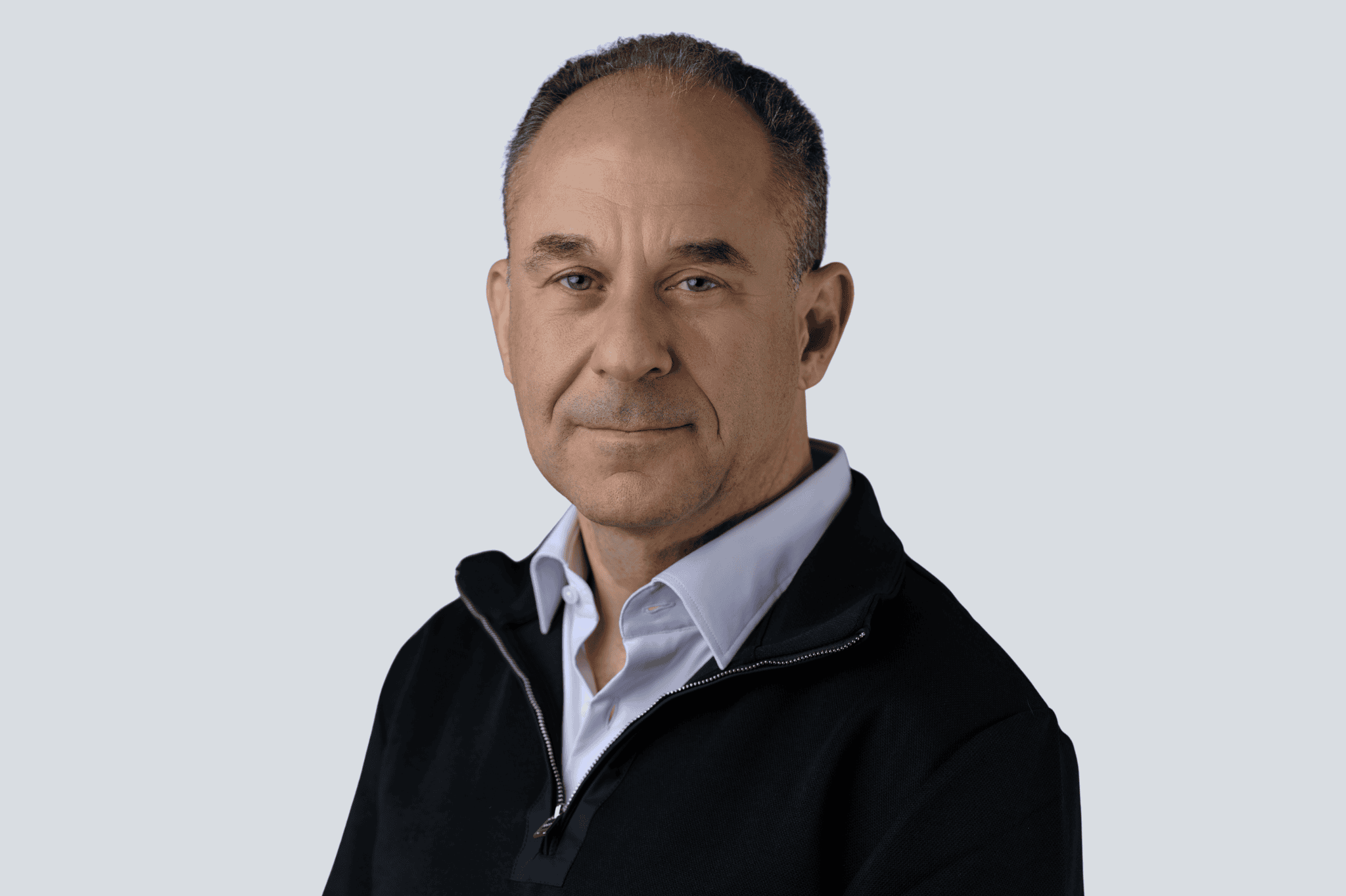
Revolut’s U.S. CEO, Cetin Duransoy, who has held senior roles at Raisin, Fundbox, Visa, and Capital One, spoke with Global Finance about Revolut’s plans for the American market.
Global Finance: In the US, banks, fintechs, brokerages, travel products and payment apps are mostly separate. Does that surprise you? Do you see a genuine hole in the U.S. market for a company that combines all those relationships in one place?
Duransoy: It’s not surprising, given how complex these products are and how crowded and fragmented the U.S. market is. Layer on the regulatory process, and combining all these product suites—banking, brokerage, FX, crypto, travel, and more—into a single company or app becomes genuinely difficult and, for most companies, not worth the effort.
We believe you need a genuinely differentiated product to succeed in this market, and we have identified an opportunity here. By bringing all these products into one platform, we can remove the friction customers typically experience when cobbling together services from multiple providers.
GF: People often say, “The U.S. banking market is different.” Different how, exactly? And how might those differences affect Revolut?
Duransoy: The US’s fragmented, charter-based regulation can be more cumbersome than the EU’s passporting model, and U.S. customers tend to rely more on credit than their European counterparts. But the U.S. provides certain advantages, including the U.S. card network and interchange system, which subsidize rewards; FDIC insurance; and consumer-protection laws, which create a trust threshold.
Our broad product offering, 80-million-user global network, and strong global brand allow U.S. to cater to the distinct challenges of the U.S. market and understand the challenges of U.S. distribution costs. By obtaining a national bank charter, we will be on par with traditional banks, with direct Fedwire/ACH access and lending capability.
GF: When Revolut enters the U.S. market more aggressively, should Americans expect something close to the European Revolut experience—or will the U.S. product necessarily look much more like a traditional American bank competing on deposits, credit cards and lending?
Duransoy: We are always focused on product-market fit for our customers, and the U.S. will be no different. We’ve publicly shared that we will bring the best of what Revolut offers and provide the products U.S. customers want most, including checking accounts, credit cards, installment loans, FX, and stablecoins. We’ll continue innovating to deliver a distinct, more productive experience for U.S. customers.
GF: One of the things that makes Revolut unusual in Europe is that it sits at the intersection of finance, travel and lifestyle. Is that model central to how you think about the US, or is America more of a banking opportunity?
Duransoy: Yes. Combining our lifestyle products with the financial services that have made Revolut so popular remains central to our thinking. And they’re a key differentiator in many of our markets. We expect these offerings to help make us a top-of-wallet card and strengthen customer retention.
GF: Why should someone with Chase, Amex, Venmo, Robinhood, and a good travel card move meaningful parts of their financial life to Revolut? What can you offer that those companies, individually or collectively, do not?
Duransoy: We recognize that inertia is a strong force when it comes to financial services and that a customer’s bank holds critical parts of their financial life, such as their mortgage or direct deposit.
What we offer is the ability to consolidate multiple products and services into a single interface and remove the friction our customers find frustrating with other services. Revolut’s broad-based platform allows customers to seamlessly access multi-currency spending without foreign transaction fees, instant global P2P, a combined debit/credit product, budgeting, digital assets, and investing, all without transferring funds between platforms or managing multiple accounts. That’s especially valuable for people who travel internationally, have cross-border family ties, or are underserved by traditional credit underwriting.
GF: Which types of lending will Revolut prioritize in the US?
Duransoy: We intend to initially prioritize unsecured and secured credit cards and installment loans.
GF: What does Revolut understand about the consumer relationship that you think many American banks and fintechs still lack?
Duransoy: We treat our global app as the product. We iterate quickly, aim for gamified engagement, and offer frequent feature releases, in contrast to most U.S. bank apps, which have slower release cycles.
We also build for financial lives that span borders and currencies, rather than assuming a single-currency, single-country customer. American banks were largely built for a domestic customer, and that assumption is increasingly out of step with a more mobile, globally connected population.
GF: Do you think Revolut is underestimated in the US? If so, why? Among those who are aware, what do people in the U.S. most commonly misunderstand about Revolut right now?
Duransoy: “Underestimated” is probably right now, largely because our independent U.S. bank doesn’t exist yet. So we’re still seen as a “European neobank” by most Americans. That undersells what we’ll be once we have a full national charter, FDIC insurance, and our full lending capabilities live.
The most common misunderstanding among those who do know the brand is that we’re simply a fintech or a travel debit card, rather than a company with an 80-million-user global base—including 1.4M in the US—and banking licenses now spanning the UK, France, Australia, Mexico, and more.
GF: Are you coming to the U.S. to compete for a small slice of the market, or do you ultimately believe Revolut can change what Americans expect from a bank?
Duransoy: In the US, our near-term goal is to compete for market share. No new entrant can reshape what an entire country expects from a bank on day one. That takes years of trust-building, especially post-charter, when FDIC insurance and regulatory scrutiny are new territory for us.
What we’re looking to do is win the demographics best suited to us, namely the internationally minded, underbanked-by-incumbents, and digitally native users.
GF: On the corporate side, what are Revolut’s corporate banking plans?
Duransoy: Revolut Business exists—and is a core focus for us—in the U.S. We expect this to continue and are excited to launch merchant acquiring within the first years of becoming a bank.
GF: If we revisit this in three years, what would need to be true for you to say that Revolut has successfully become a major U.S. bank?
Duransoy: Within three years, we expect to be a fully operating bank with real momentum. We won’t share specific customer or product numbers today, but we’re building for scale and a sizable U.S. customer base that treats us as their primary bank, not a secondary account. That’s the bar we’re setting for ourselves.