OPEC+ Supply Strain Fuels Fresh Pressure on Prices and Growth
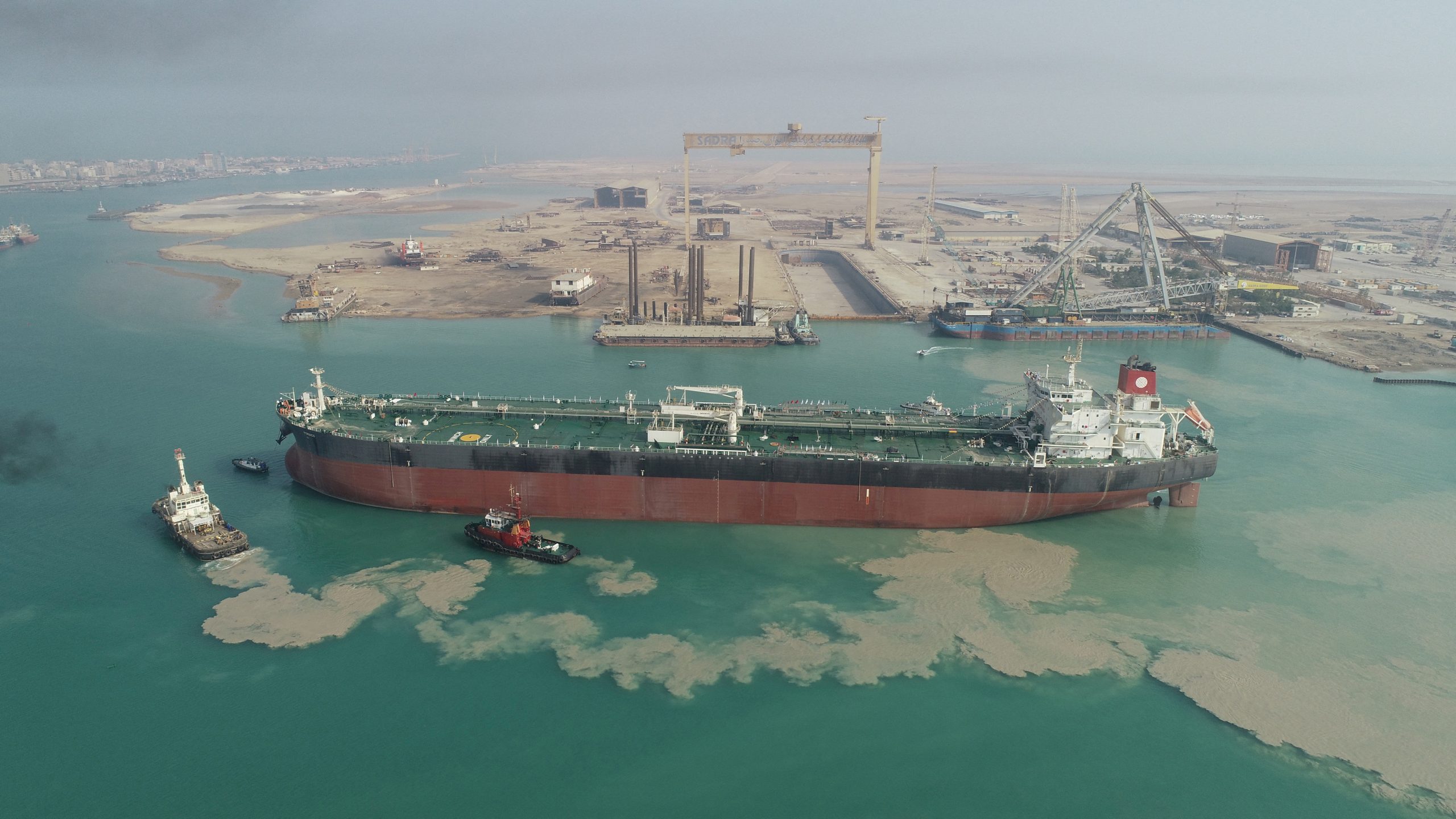
OPEC+ is expected to approve another increase in oil production targets on Sunday even as the Strait of Hormuz crisis continues to disrupt global energy supplies, raising new doubts that fuel costs, transport expenses and inflation risks will fall as quickly as businesses and households had hoped.
The move highlights a growing disconnect between official promises of higher production and the reality of an energy market still struggling to move enough oil to customers.
The decision would mark the fourth consecutive monthly output increase since the closure of the Strait of Hormuz triggered a supply shock that continues to reverberate through global markets. Yet despite repeated quota increases, OPEC figures show the group’s production falling sharply from 42.77 million barrels per day in February to 33.19 million barrels per day in April, underscoring how difficult it has become for producers to replace disrupted exports.
That gap between targets and actual supply matters far beyond the oil market. Fuel prices feed into transport networks, manufacturing costs and supply chains that ultimately shape the prices consumers pay every day.
When supply remains constrained, the effects rarely stay inside commodity markets for long. Businesses face higher operating costs, while households often find themselves paying more for everyday goods and services.
Sunday’s meeting highlights an awkward reality for OPEC+. The group is preparing to promise more oil while several members are still struggling to deliver the barrels they have already pledged to the market. For traders, the quota increases are beginning to look more like a statement of intent than evidence of additional supply reaching customers. Markets may welcome the announcement, but physical constraints continue to shape conditions on the ground.
The strain has intensified since the disruption of one of the world’s most important energy routes. The situation became even more complicated after the United Arab Emirates left OPEC, removing one of the group’s most influential producers and adding fresh uncertainty to the alliance’s long-term ability to coordinate supply during a period of exceptional disruption.
Businesses are paying close attention because higher and less predictable energy costs make budgeting, investment planning and forecasting far more difficult. Companies that depend heavily on transportation, logistics or large-scale manufacturing are particularly exposed. When profitability begins to erode, expansion plans are often delayed and employers become more selective about adding new staff.
Investors are watching closely because energy shocks rarely stay confined to commodity markets. Companies facing volatile fuel costs often postpone investment decisions, while markets reassess expectations for inflation, interest rates and economic growth. That combination can create a more cautious backdrop just as many economies were beginning to show signs of stabilising.
There are also signs that households could become more defensive if energy uncertainty persists. Consumers who have only recently seen inflation begin to ease may be less willing to spend freely if fuel costs start climbing again. That shift matters because consumer spending remains one of the most important drivers of economic growth across many developed economies.
For now, the question is less about whether OPEC+ can announce more supply and more about whether that supply can actually reach the market. Until that question is answered, businesses trying to control costs, investors searching for clarity and households hoping inflation continues to ease remain vulnerable to an energy disruption that shows little sign of disappearing.