From introverted writers to viral video stars: How a media powerhouse is winning over Gen Z
By Julia Barcelon
As younger audiences increasingly consume news through short-form videos instead of traditional articles, Star Media Group is reshaping its newsroom strategy to remain relevant in a rapidly changing digital landscape.
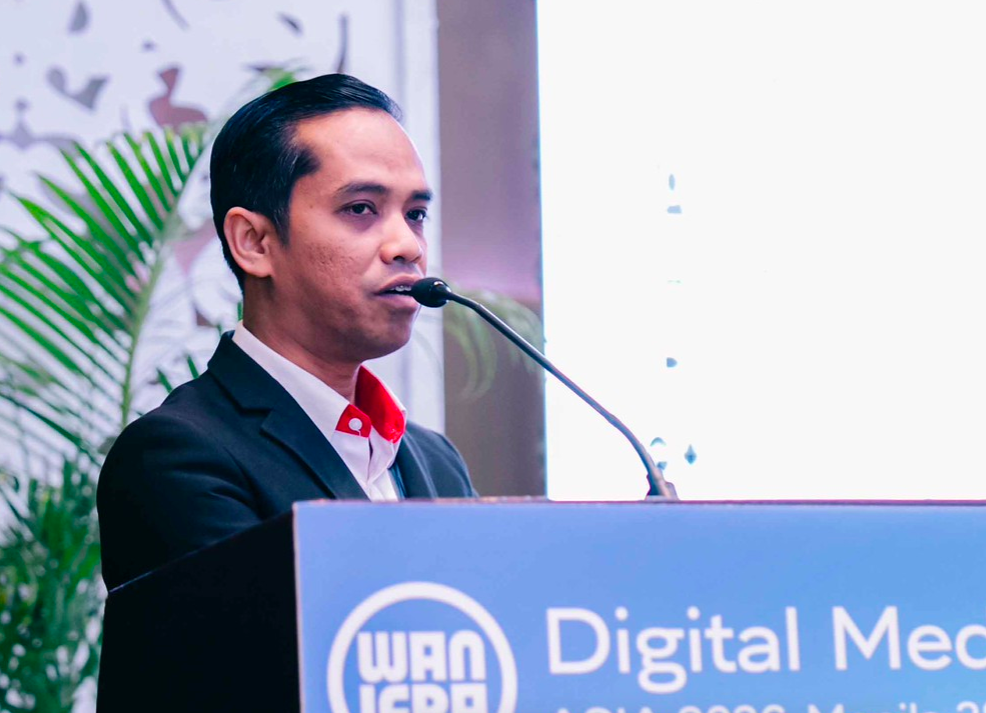
Mohd Fuad Mohd Noor, Head of Digital Products of Malay Vertical, shared how the company’s lifestyle platform, M-Star, evolved.
During our Digital Media Asia event, he explained how they have gone from being a traditional publishing outlet to a creator-first newsroom focused on video-driven storytelling and personality-led journalism.
According to Fuad, the transformation began after the company noticed a clear shift in audience behaviour.
While older readers continued consuming written articles, younger audiences were spending more time watching videos on different social media platforms.
“We as traditional publishers, we always write, but the Gen Z audiences are watching,” Fuad said, emphasising how younger demographics prefer fast-paced and engaging content over long-form reporting.
A shift toward video-first journalism
Audience analytics showed that nearly 70% of M-Star’s digital readers were 35 and older, while the company’s social video platforms attracted a much younger audience between 18 and 25 years old.
Recognising this divide, the newsroom shifted its workflow to prioritise video before traditional article writing.
As Fuad explained, “Traditional media is good for reading, but Gen Z doesn’t start with reading, they start with scrolling the video.”
Instead of publishing articles first, journalists covering assignments are now instructed to immediately send video clips to editors through messaging platforms such as WhatsApp or Telegram.
The videos are edited and uploaded quickly for social platforms before the reporters return to write the accompanying articles.
This strategy has significantly expanded M-Star’s reach. The platform currently has over 1.15 million YouTube subscribers and generates an average of 173 million video views monthly.
Selling stories and human faces
For Fuad, succeeding on social media requires more than simply transferring traditional reporting into video form. He argued that younger audiences engage more deeply with personality-driven narratives rather than formal news delivery.
“Young audiences don’t follow articles. They follow stories and faces,” he said, explaining that audiences today often connect first with the journalist or creator before the actual headline itself.
This realisation pushed M-Star to move away from highly scripted, studio-heavy news production and toward more conversational and emotionally driven content.
“We are not covering news but we do stories,” Fuad added.
To demonstrate this shift, Fuad shared an example involving a wealthy businessman.
Instead of focusing on the company’s annual revenue figures, the team reframed the story around the businessman owning 200 houses, a detail intended to immediately capture curiosity among younger viewers.
Turning introverted writers into video anchors
One of the company’s biggest challenges was helping traditional journalists – many of whom were introverted and unfamiliar with being on camera – adapt to this creator-focused environment.
“We hired journalists. A lot of journalists are introverts,” Fuad admitted while discussing the difficulty of transforming reporters into recognisable media personalities.
To address this, M-Star developed a mentorship-based workflow that gradually exposes writers to video production. During interviews and field assignments, journalists are accompanied by colleagues who film them while they conduct their usual reporting tasks.
According to Fuad, this method allows journalists to gain confidence naturally without the pressure of immediately becoming polished video hosts.
“So from there on, we build their confidence,” he explained.
Building ‘hybrid journalist-creators’
Fuad described M-Star’s broader strategy as creating “hybrid journalist-creators” capable of both reporting news and producing engaging digital content.
Beyond field reporting, journalists are encouraged to host podcasts and appear regularly in branded video segments to strengthen their public visibility.
“So people get to know your journalist,” Fuad said, noting that personality-building is now becoming just as important as traditional reporting skills. “So you build talent, confidence, and personality.”
To support this transition, the organisation launched a mentor-mentee program pairing experienced video anchors with newer journalists for up to two years.
Fuad jokingly described the arrangement as “a marriage proposal for two years,” explaining that mentors provide continuous feedback on camera presence, reactions, and delivery to help writers improve their on-screen performance.
A creator-first future for newsrooms
As media consumption habits continue shifting toward creator-driven platforms, Fuad believes traditional newsrooms must rethink how journalists engage with audiences online.
“Let’s build stars from within our writers,” he concluded, encouraging media organisations to provide journalists with the tools and environment needed to adapt to the demands of video-first journalism.
About the author: Julia Barcelon is a Literary and Cultural Studies student at the Polytechnic University of the Philippines.