Artificial Intelligence in Latin American Newsrooms: Moving from Exploration to Editorial Practice
This article brings together experiences that show how different media organisations across the region are making practical decisions to integrate artificial intelligence responsibly and with tangible impact on their daily operations.
When discussing artificial intelligence in journalism, the real challenge is not the technology itself, but how to integrate it into newsrooms: which problems to address first, which tasks to automate, where to establish clear guidelines, and how to do so without losing editorial focus or audience trust. Across Latin American newsrooms, this process is already underway. Rather than adopting generic solutions, media organisations are progressing from concrete needs, practical learning and strategic decisions that connect technology, operations and journalistic mission.
In this context, WAN-IFRA has created spaces for exchange, experimentation and applied learning, enabling media organisations to explore these technologies within their own realities. Rather than promoting specific tools, the objective is to support newsrooms in formulating relevant questions, identifying high-impact use cases, and building shared knowledge in the face of a rapidly evolving technology.
The cases presented below emerged from the LATAM Newsroom AI Catalyst, Cohort 2, an initiative led by WAN-IFRA with the support of OpenAI to accompany media organisations in the region in the practical exploration of artificial intelligence. Working from real challenges and diverse contexts, participating newsrooms developed prototypes and applied solutions that demonstrate how AI can be integrated in a concrete, gradual manner aligned with the needs of contemporary journalism.
The real challenge is not the technology itself, but how to integrate it into newsrooms: which problems to address first, which tasks to automate, where to establish clear guidelines, and how to do so without losing editorial focus or audience trust.
The Story of Tuki: Artificial Intelligence and Local Identity
Diario UNO (Argentina)
Context
Diario UNO is a digital media outlet based in Mendoza, Argentina, with a sustained culture of innovation. When beginning to explore the use of artificial intelligence, the team identified two clear challenges: the individual and unstructured use of AI tools within the newsroom, and the high volume of low-value tasks such as transcription or rewriting, often undertaken by experienced journalists. From this need, Tuki was created to bring structure to AI usage and free up time for more in-depth journalism.
The Project
Tuki began as a prototype designed to convert audio from Radio Nihuil into draft news articles. Over time, it evolved into a tool accessible to journalists across the group.
This evolution also represented an organisational challenge: moving from experimentation to real newsroom adoption required coordination between editorial and technical teams and an understanding of implementation as a cultural shift, not merely a technological one.
Results and Lessons Learned
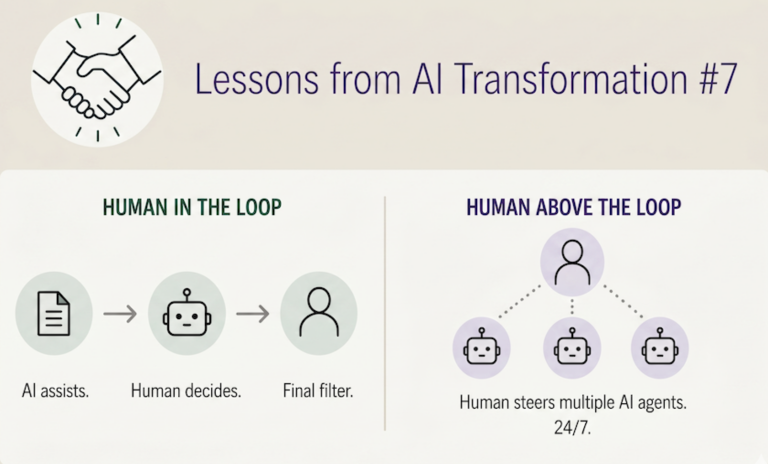
Today, Tuki enables the generation of draft articles from audio and written documents, incorporating the outlet’s style guide and editorial standards. From the outset, the team adopted a clear human in the loop approach: automation serves as a layer of efficiency, while journalistic judgement and human editing remain central.
The primary lesson was systematisation. AI shifted from being a dispersed individual practice to a shared process with clear rules and objectives.
What Comes Next
The next step is to scale the experience and consolidate Tuki as a broader editorial support platform, reinforcing a more efficient and structured way of working.