Seven Practical Tips to Manage Hot Flushes and Sleep Better During Menopause
Menopause, a natural transition that typically occurs between 45 and 55, signifies the end of a woman’s menstrual cycle and a drop in hormone levels, specifically the oestrogen and progesterone hormones.
While some women experience it earlier due to medical reasons (it can be induced by surgery, medication and chemotherapy), menopause is a natural biological process. It ushers in a new chapter, and with it, changes in hormones, habits and potentially even our approach to health and wellness.
Some women sail through this transition with minimal disruption; however, many experience a full range of symptoms that can significantly impact their quality of life.
Did you know that around 13 million women in the UK are currently peri- or post-menopausal? Understanding that you’re not alone can be incredibly empowering.
Menopause Symptoms: Understanding Your Body
Menopause disrupts the body’s hormone balance, leading to a variety of symptoms. Some of the most common include:
- Hot flushes: A sudden feeling of intense heat, often accompanied by sweating and redness of the face and neck.
- Night sweats: Like hot flushes but occurring at night and disrupting sleep.
- Sleep problems: Difficulty falling asleep, staying asleep, or waking up feeling unrested.
- Anxiety and irritability: Fluctuations in hormones can contribute to feelings of anxiety and mood swings.
According to the National Institute of Health, more than 80% of women experience hot flushes during menopause.
The good news is that with some simple lifestyle changes, you can manage most menopause symptoms and reclaim your restful nights. Here are some ways you can manage hot flushes:
Seven Tips to Reduce Menopause Symptoms
- Nurture your body: Diet and exercise play a crucial role in managing menopause symptoms. Eating a healthy, balanced diet rich in fruits, vegetables, and whole grains can help regulate hormones and improve overall well-being. Regular exercise can reduce stress, improve sleep quality, and fill your body with endorphins, boosting your mood.
- Layer up, cool down: Hot flushes can leave you feeling self-conscious. But fear not! With some smart wardrobe choices, you can stay cool and confident during this transition. Beat the heat with breathable fabrics like cotton, linen and silk. Embrace layering with loose-fitting clothes and natural waistbands that allow for maximum airflow, preventing trapped heat next to your skin.
- Sleep: Struggling to get a good eight hours of sleep? Sleep disturbances such as insomnia, poor sleep quality and sleep deprivation are extremely common for women in the menopause transition. According to a report by the Journal of Midlife Health, up to 47% of perimenopausal and 60% of menopausal women are struggling to get a good night’s sleep. Invest in your sleep health by taking supplements such as magnesium and upgrading your bedding to cooling sheets.
- Breathe right: Feelings of stress and anxiety are common symptoms to experience during menopause and can have a further impact on your sleep, skin health and mood. Practising mindfulness, whether that’s through yoga, meditation or deep breathing, can help balance your mind, body and spirit. If you’re new to meditation, don’t be intimidated; you can easily squeeze in quick meditations or breathwork into your daily schedule!
- Soothing skincare: There are many changes your body goes through during menopause because of decreased oestrogen levels, including your skin health. Oestrogen boosts the production of hyaluronic acid, collagen, ceramides and sebum, so while this depletes over time, your skin can be left feeling dry and tight, not to mention the hot flashes that cause redness, sweating and sometimes puffiness. Look out for skincare products that will replenish moisture in your skin, such as Hyaluronic Acid and Glycerin, and anti-ageing ingredients such as Retinol and Niacinamide. Cool your skin down with soothing mists and serums.
- H2O hero: It might sound obvious, but staying hydrated is essential. Drinking plenty of water helps to regulate your body temperature and alleviate hot flushes.
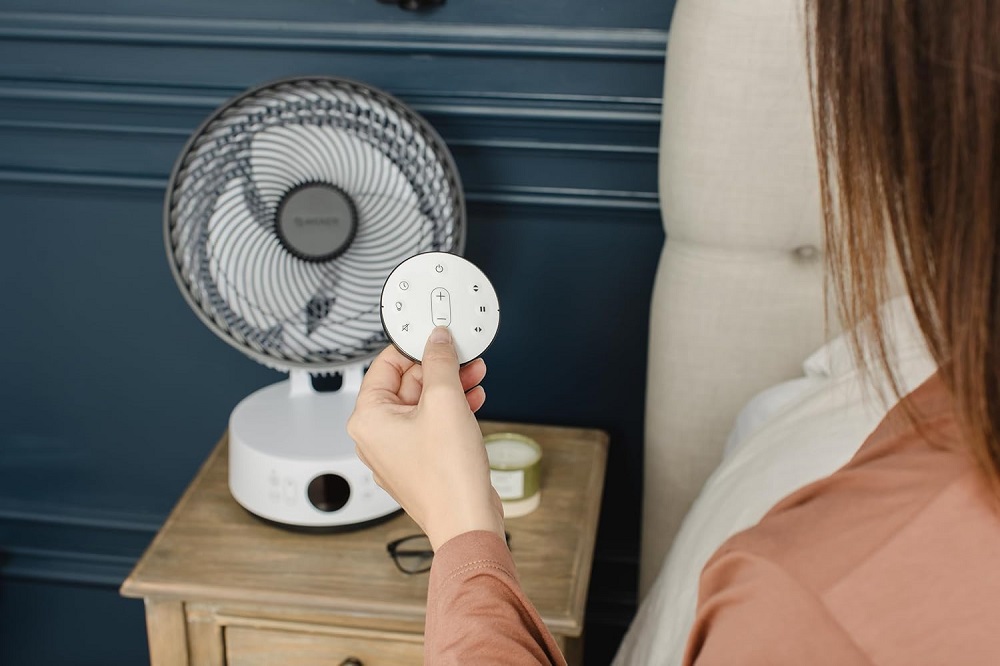
- Fan favourite: A cool breeze can bring much-needed relief during hot flushes. The NHS recommend it as one of the things you can do to alleviate symptoms. That’s where MeacoFans come in, including the multi-award-winning 1056 and 1056P models, and the next-generation Sefte® range.
These fans were developed with input from women going through menopause, who wanted quiet, effective cooling, especially at night. Whether you’re after a compact desk fan or a height-adjustable pedestal model for above-bed airflow, there’s a MeacoFan to help manage temperature fluctuations and night sweats with ease. They are also energy-efficient, costing less than 2p per night to run.
Meaco’s Managing Director, Chris Michael, said:
“We’ve listened closely to our customers, particularly women who’ve shared how helpful our fans have been in managing symptoms like hot flushes. That feedback played a key role in shaping the design of the MeacoFan range, making sure the fans are as effective and user-friendly as possible.”
One customer shared:
“I suffer from menopause and thyroid problems, so my temperature gauge is off to say the least. I have usually used air coolers to add water to, but that only fills the air with humidity. So, I tried a fan, it’s that good I’ve ordered another and just awaiting its arrival this week. If you suffer like I do with temperature fluctuations, then these are for you. So easy to work, control, set and great move ability.”
We hope you have all the information about why a MeacoFan air circulator is great for menopause symptoms.