Fewer, better stories: Rethinking the value of journalism
For journalists to collaborate effectively, they need to be positioned to do so effectively. “If you want people to talk together several times an hour, sit them within speaking distance,” advises Amalie Kestler. If they need to collaborate several times a day, a short walk may be enough, she adds.
It sounds almost too simple to be a strategy for newsroom transformation. Yet it is one of the practical lessons emerging from a three-year overhaul that has encompassed everything from digital-first production and audience-centred commissioning to AI-powered investigative tools.
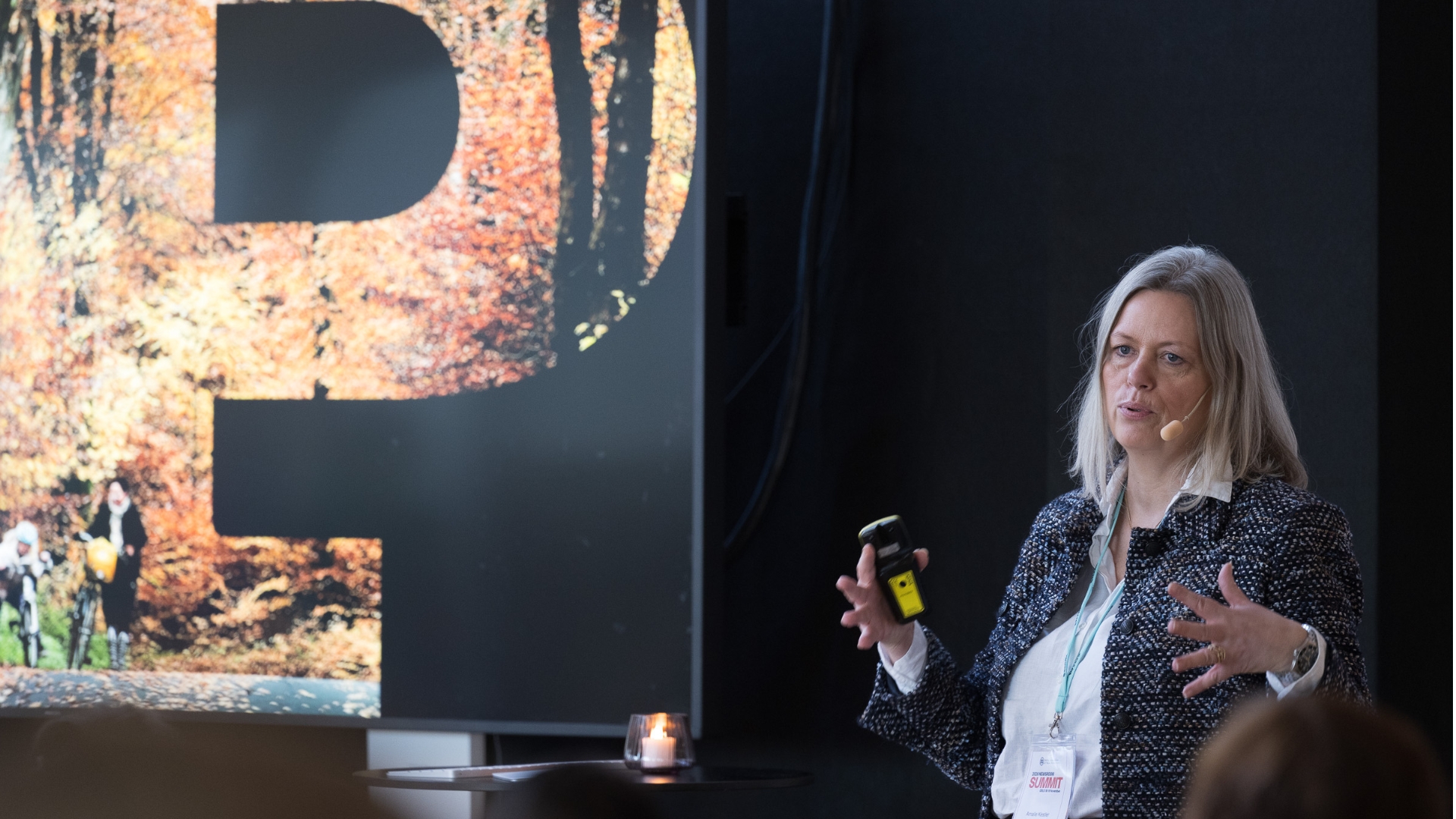
At WAN-IFRA’S Newsroom Summit in Oslo last week, Kestler outlined how Politiken moved its newsroom beyond structural change, to rethink the way journalism is developed, produced, distributed and monetised.
What they did
Kestler has been at the forefront of Politiken’s transformation over the past three years, marked by three distinct stages:
- 2023: Structural The newsroom moved to a genuinely digital-first operation, separating digital production from print production. A dedicated print unit adapted digital content for the printed newspaper.
- 2024-2025: Operational The newsroom redesigned its routines, meetings, deadlines and working relationships, breaking down traditional editorial silos and embedding audience user needs into the commissioning and production process.
- 2025-2026: Content A cross-functional team combining editorial, marketing, technology and data expertise was established to experiment with ways of improving journalism, optimising content and increasing subscriptions.
Collab, connect optimise: Key insights from a total overhaul
Kestler distilled Politiken’s approach: “Make the collaboration physically easy, make the learning part of the operation model, then optimise and prioritise.”
1: Proximity boosts collaboration
Collaboration is not just a matter of organisational charts, meetings or management directives. It can – and should – emphasises Kestler, be built into the physical working environment.
She illustrates this with the introduction of a design producer role, positioned next to the front-page editor, to ensure that visual presentation and editorial decisions could be developed collaboratively throughout the day.
2: Experimentation requires cross-functional teams – and permission to fail
The newly established content development team comprises three editors, a marketing specialist and a technology and data-analyst, who were explicitly encouraged to experiment and find ways to improve and optimise journalism.
Their first experiment failed.
Rather than abandon the objective, they reconsidered the underlying problem – drawing attention to the value of the article – leading to the team developing new opening paragraphs of paywalled articles shown to non-subscribers.
“We use it to underline the value of the journalism, not to replace it,” explains Kestler,
An initial observational analysis of 9,000 paywall articles, including approximately 1,600 with this subscription-optimisation treatment, showed a 51% increase in sales – though Kestler is careful to acknowledge that this is not proof of causality.
Another significant finding was that 23% of subscription sales came from older articles – those more than 30 days old – highlighting the commercial value of the journalism archive.
3: Optimise, prioritise
Audience-centred journalism requires more than knowing who the audience is. It requires understanding why someone would want to read a particular story, stressed Kestler.
Politiken identified 41 reader motivations through audience research, and distilled these into seven user needs which were then incorporated into the newsroom’s editorial system, after extensive workshops and training.
This changed the overall approach to story development: reporters now cannot submit an article without identifying its intended user need.
It also makes the purpose of each story clearer – and encourages meaningful conversations between editors and reporters.
“We say we make fewer but better stories,” is how Kestler describes the newsroom’s investment in both pre-production and post-production.
“There is no single answer to the right future newsroom for you,” adds Kestler, but her experience suggests that people, relationships, collaboration – and a shared understanding of what constitutes good journalism will help ongoing change.