World’s news publishers call on Meta to halt scraping clause in new Commercial Terms
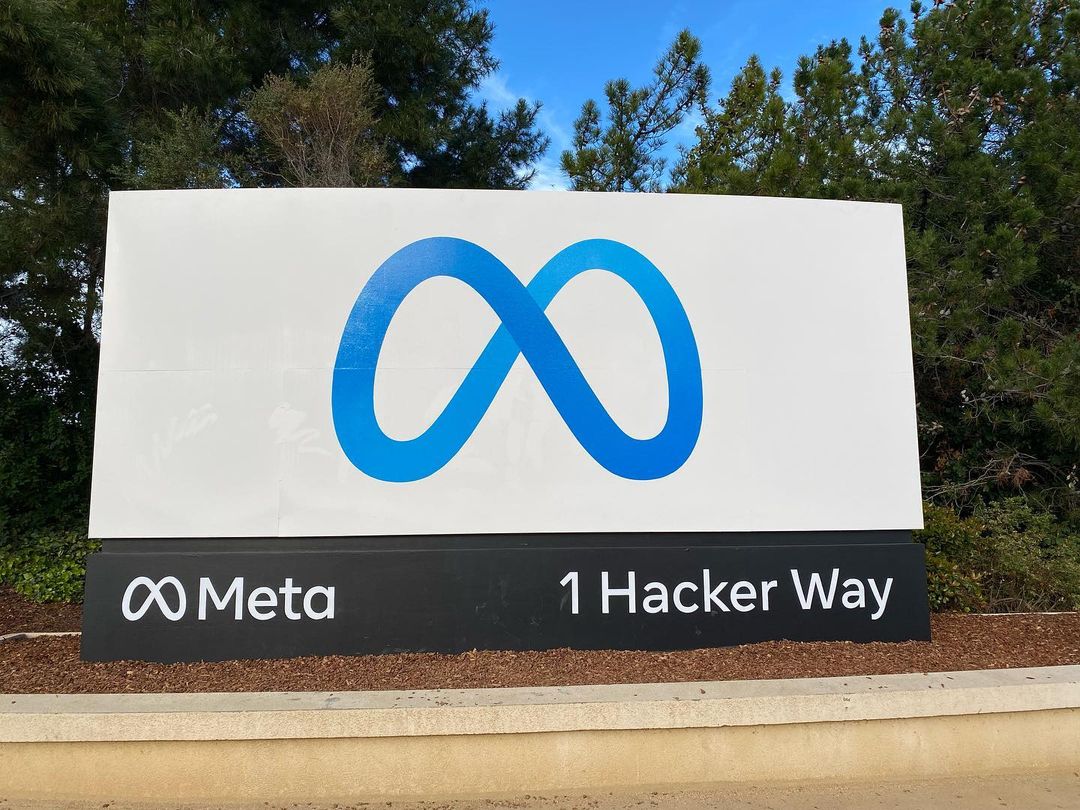
Frankfurt and Paris, 22 October 2026. WAN-IFRA, the World Association of News Publishers, has called on Meta to suspend a provision in the company’s new Commercial Terms that would allow Meta to crawl and collect content from news publishers’ websites as a condition of using Facebook, Instagram, WhatsApp and Messenger for business. The letter, addressed to Meta’s Chief Global Affairs Officer Joel Kaplan, is signed by WAN-IFRA President Ladina Heimgartner, Irene Lanzaco, Chair of the Directors of Member Associations Committee, and CEO Stig Ørskov.
The letter builds on the work of regional and national publishers’ associations, which have been first to sound the alarm: in the United States, the News/Media Alliance has condemned the terms; in the United Kingdom, the News Media Association has asked the Competition and Markets Authority to secure a pause; and in Europe, the European press publishers’ associations EMMA, ENPA, EPC and NME have called on the European Commission to adopt interim measures. WAN-IFRA brings their concerns together and carries them to Meta on behalf of publishers worldwide.
The new terms, due to take effect on 30 October, authorise Meta to use automated tools and test credentials to access websites associated with any business that uses its services, and to keep collecting updates from them. Because almost every news organisation maintains a Facebook Page (the public account businesses and publishers use), a business profile or an advertising account on Meta’s platforms, the provision would reach publishers’ journalism worldwide, not only the content they choose to share on Meta. Publishers of every kind, from national newspapers to local titles and special interest magazines, would be affected.
Meta removed an explicit reference to AI training after the clause drew criticism. WAN-IFRA’s letter argues that the revised wording still allows the content to be used to develop Meta’s business products, which include generative AI services, and that Meta’s public assurances that it will respect robots.txt are not written into the terms.
“Journalism is not raw material to be collected as a condition of being present on a platform,” said Ladina Heimgartner. “Meta already recognises the value of news: it has signed paid agreements with a number of publishers. It cannot then use its terms of service to take the same value from everyone else for free. We ask Meta to pause these terms and talk to the industry.”
“Publishers’ associations on every continent share this concern,” said Irene Lanzaco. “For many local and independent newsrooms, Facebook and WhatsApp are how they reach their communities, so walking away is not an option. No publisher should have to choose between reaching its readers and keeping control of its own journalism.”
In its letter, WAN-IFRA asks Meta to:
- suspend the crawling provision for news publishers from 30 October, pending dialogue with the sector;
- remove the right to create test credentials and commit that paywalls and other access controls will not be circumvented;
- make robots.txt and other machine-readable reservations of rights binding in the terms;
- exclude the use of publishers’ content to develop or power AI systems unless it is licensed;
- allow publishers to decline the provision without losing access to Meta’s business tools.
“There is a better way to do this,” said Stig Ørskov. “Publishers are ready to work with AI companies, including Meta, on clear terms and fair compensation. Through the SPUR Coalition, the industry is building exactly that framework, and we urge Meta to join that conversation rather than impose a unilateral clause.”
The letter also raises concerns about Meta One, Meta’s new subscription service. Meta is testing and progressively extending limits under which Facebook Pages must pay to post more than two links a month to their own websites, while Meta claims access to that same content free of charge. Meta has said informally that news publishers are excluded, but has published neither its criteria nor the markets concerned. WAN-IFRA asks Meta to commit in writing to a lasting exclusion for news organisations of all sizes, and to provide them with verification and protection against impersonation free of charge.
WAN-IFRA’s letter adds to concerns raised by publishers’ organisations in Europe, the United Kingdom and North America, and to scrutiny of the terms by competition authorities.
The full text of the letter is available here: WAN-IFRA Meta T&C Letter.
About WAN-IFRA WAN-IFRA, the World Association of News Publishers, unites media globally to strengthen the business of trusted journalism and defend press freedom. It brings together more than 20,000 media brands and 60 national publishers’ associations in 120 countries.
Contact Elena Perotti, Executive Director, Public Affairs and Media Policy, WAN-IFRA elena.perotti@wan-ifra.org