From silence to strategy: Inside the mission to make every story a climate story
When, as editor and publisher of the Columbia Journalism Review, Kyle Pope testified before Congress in 2017 about threats to press freedom, he was primarily focused on the changing political landscape under the Trump administration.
Nearly a decade later, Pope’s focus has expanded to an even broader existential challenge: the climate emergency. As co-founder and executive director of strategic initiatives for Covering Climate Now, (CCNow) Pope is pushing newsrooms to shed their fear of appearing partisan and embrace the reality that holding power to account includes accurate, attributed reporting on the climate crisis.
CCNow is a global journalism collaboration – organised “by journalists, for journalists.” Founded in 2019 , the initiative seeks to transform how the industry views its responsibility to provide rigorous, impactful climate coverage, and has grown to include over 500 news outlet partners reaching billions.
Climate coverage, stresses Pope, is “not a separate topic; it’s the motif that affects all of our lives.”
He summarises his thoughts on the current landscape – progress, backsliding, challenges and opportunities – in five pertinent questions…
What gap in climate reporting convinced you this network needed to exist – and where are we at now?
We started Covering Climate Now in 2019 after growing frustrated by the relative silence in the media on the climate story. We thought there was a fundamental mismatch between the scale of the story and the scale of the journalistic resources committed to covering it. We started Covering Climate Now to connect reporters interested in closing that gap, giving them resources, training, and experts to help them better do their jobs.
For a time there was notable progress. You’ll recall the climate marches that autumn led by Greta Thunberg, and newsrooms everywhere began waking up to the fact that this was a story that warranted their attention. Climate desks were created inside newsrooms and climate reporters were hired.
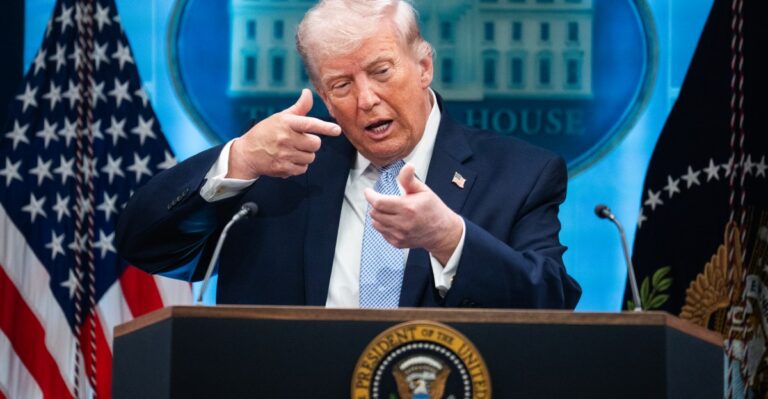
Unfortunately, that progress started to reverse, first in the US after the rel-election of Donald Trump in 2024, then in other parts of the world. There is still excellent climate coverage – more than in 2019 when we started. But there is also backsliding, for myriad reasons, even as the threats posed by a warming planet grow. We see this as a failure of journalism to do its job.
Climate reporting seems to have shifted to crisis reporting: What are newsrooms and journalists getting right – and what’s missing?
It is true that it is getting more and more difficult to ignore the climate story; it’s there if you look out your window.
But journalists need to do more than report on the fires or floods or droughts; they need to connect those events to the climate crisis, putting them in context so their audiences know why they are happening.
It’s astonishing to us how often, even now, this doesn’t happen — including this year in the coverage of the historic fires and heat waves in Europe.
Attribution science when it comes to climate events is rapidly advancing. While it’s often not possible to draw the linkages in real time – ie, this fire today was made x% more likely because of climate change – there is ample data to put these events in perspective, to say “Fires like this around the world have become significantly more frequent because of a planet heated by the burning of fossil fuels.”
‘It’s a myth to say that climate science is disputed or even that complicated. There is overwhelming scientific consensus on what is happening.’
Nearly a decade after you testified before Congress about threats to the press: What has changed? What and where are the biggest threats to environmental reporting?
When I testified, I was talking broadly about threats to the press under Trump, not specifically about environmental journalism. And those general threats continue.
Climate and environmental reporting also remain a particular target, as the fossil fuel industry and its allies are increasingly under scrutiny and regulation.
Environmental journalists in some parts of the world continue to face threats to their lives, and climate reporters everywhere are often targets of coordinated campaigns on social media. Two things to remember about this: the first is that the forces opposed to climate action are in the minority, and thus increasingly desperate. The other, unfortunately, is that these attacks are likely to get worse, as the world wakes up to the need to shift away from a fossil fuel-driven economy.
How has AI changed climate journalism, if at all – for better and for worse? What emerging technologies are you most excited about for improving climate reporting?
There is a robust debate underway about the environmental and climate effects of AI and the data centres that drive them. That has made some climate reporters wary about using AI in their reporting. We’ll see what happens, but my guess is you’ll see more of it.
In terms of the story going forward, I already mentioned attribution science, which is a fascinating area of ongoing reporting. But overall, our view is that every story can be a climate story, which means every tool available to journalists can be used in climate reporting, including data visualization, video, audio, social media and the like. The climate story is big enough that we need to use all the tools at our disposal to tell it.
If we had this conversation again in five years, what would you hope has changed – for your organisation and for the world?
Our goal is to make the climate story part of every journalistic conversation – not its own separate beat. So if you cover sports, the arts, politics, health, food, whatever, climate should be woven into all of that. It’s not a separate topic; it’s the motif that affects all of our lives.
That will remain the work of Covering Climate Now.