Nasdaq Falls 3% as Strong Jobs Report Fuels Rate Fears
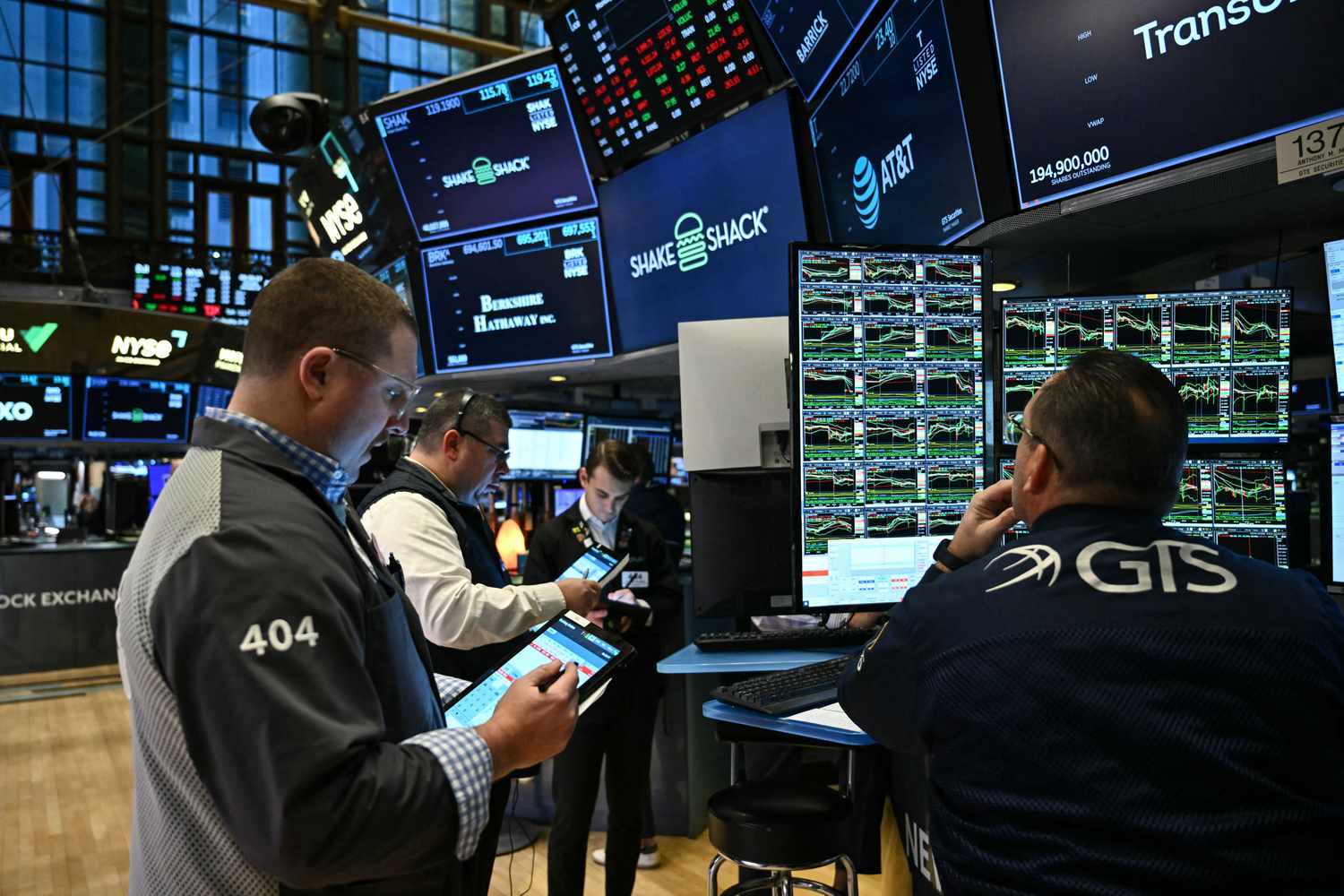
The sharpest Nasdaq decline in nearly eight months rattled Wall Street on Friday after a stronger-than-expected U.S. jobs report pushed Treasury yields higher and revived fears that borrowing costs could stay elevated well into next year.
The sell-off spread quickly through technology stocks, but the implications reach far beyond investors. Elevated borrowing costs can feed directly into mortgage rates, business loans and household finances, raising the prospect that financial strain could persist even as the economy continues to add jobs.
The Nasdaq Composite fell more than 3%, its biggest one-day drop since October 2025. The S&P 500 lost roughly 1.8%, while the Dow Jones Industrial Average also moved lower as traders rapidly reassessed expectations for interest rates.
Much of the damage was concentrated in semiconductor stocks that have driven the market’s artificial intelligence boom. Shares of Broadcom, Marvell Technology, Micron Technology, Intel and AMD all suffered sharp declines as traders locked in gains and questioned whether expectations for future growth had run too far ahead of reality.
The trigger was a surprisingly strong labor market report. The U.S. economy added 172,000 jobs in May, far above forecasts, while unemployment held steady at 4.3%. Previous payroll figures were also revised upward, reinforcing the picture of an economy that remains stronger than many had expected.
Normally, strong hiring would be viewed as unequivocally positive news. Instead, markets focused on a different risk. A labor market that continues to outperform expectations may reduce the urgency for the Federal Reserve to cut rates, leaving borrowing costs elevated for longer.
That shift in thinking was immediately visible in the bond market. The benchmark 10-year Treasury yield climbed above 4.5%, while the 30-year yield rose beyond 5%. Those moves may seem distant from everyday life, but they influence the cost of mortgages, credit cards, auto loans and business financing throughout the economy.
For households already facing stretched budgets, another period of elevated borrowing costs could mean delaying home purchases, refinancing plans or other major financial commitments. Businesses face a similar calculation. Expansion projects that looked attractive when lower rates seemed likely can become harder to justify when financing costs remain stubbornly expensive.
Friday’s reaction suggests investors are beginning to price in a scenario many hoped had faded from view. The economy may be strong enough to keep rates elevated, but not strong enough to prevent consumers and businesses from becoming more cautious as those costs continue filtering through the system.
The sell-off also highlighted just how much of the market’s recent strength has rested on a handful of AI stocks. When confidence weakens around those names, the impact can spread quickly across major indexes and pull sentiment lower.
At the same time, money began flowing into safer corners of the market. Consumer staples companies including Coca-Cola and Colgate-Palmolive gained ground as traders rotated away from high-growth technology names and toward businesses viewed as more resilient during periods of market stress.
Market rotations like this rarely happen in isolation. Money starts moving away from riskier bets and toward companies seen as more dependable when conditions become less predictable. The shift can influence lending decisions, investment plans and hiring intentions long before official economic data starts to show meaningful changes.
The stronger labor market has helped shield the economy from a slowdown, yet it is also making the path toward lower borrowing costs less certain. What looked only months ago like a relatively straightforward move toward rate cuts now appears far less predictable.
Friday’s market decline was not simply a reaction to one jobs report. It showed how quickly expectations can change when economic data challenges the narrative investors have been relying on. Many businesses and households entered the year expecting financial conditions to become easier. Instead, the prospect of expensive borrowing lasting longer is forcing a reassessment of spending, investment and growth plans. For now, the economy continues to expand. The question hanging over markets is how long households and businesses can keep adapting to costly borrowing before they begin pulling back.