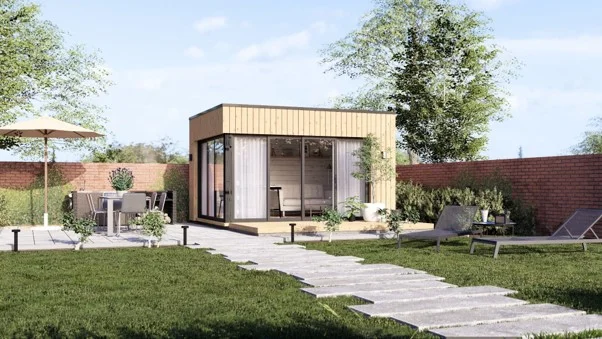
Garden Office: Is a Separate Workspace Worth the Investment?
The shift towards remote and hybrid working has made a dedicated garden office an increasingly attractive option. Many professionals want to avoid daily commuting and establish a clearer separation between their home and work lives. This raises an important question: is a garden office worth the investment? A garden office can represent a considerable expense, depending on its size, insulation, materials and installation requirements. In this article, you’ll learn how to assess your return on investment (ROI), identify hidden costs, and determine whether your personal and professional circumstances justify the expense.
The Real Costs: Beyond the Sticker Price
The total expenditure for a garden office extends far beyond the initial quoted price for the structure itself. Understanding these layers of cost is crucial for accurate budgeting.
Upfront Costs Breakdown
Upfront expenses encompass the core structure and its integration with your home. These costs vary significantly based on size, materials, and desired finish.
- Structure and Foundation: The cost of a garden office depends on its size, insulation, materials and finish. Foundations can add to the overall expense, especially if groundworks are complex.
- Utilities Connection: Electrical installations, including sockets and lighting, add to the initial cost, particularly when trenching is required for armoured cables. Plumbing for a WC or kitchenette will increase the overall expense further.
- Planning Requirements: Some garden offices may qualify as exempted development, while others may require planning permission, depending on their size, location, intended use and other circumstances.
Ongoing Costs: Annual Expenses to Consider
A garden office incurs regular expenses similar to an extension or additional room. These must be factored into the long-term investment.
- Insurance: Some home insurance policies cover outbuildings, but business use or valuable equipment may require changes to the policy or an additional premium. It is essential to notify your insurer.
- Heating and Cooling: A well-insulated garden office can help manage heating costs, while poor insulation can increase energy consumption. Actual expenses depend on the building’s size, insulation, heating system and frequency of use.
- Maintenance: Annual maintenance for timber structures, including repainting, cleaning, and minor repairs, should be included in the long-term budget.
- Tax and Planning Considerations: The tax implications of a garden office depend on its use and circumstances. If it is used for business purposes or as a separate dwelling, it is worth checking the applicable Irish tax and planning requirements.
Hidden Expenses Most Buyers Overlook
Several less obvious costs can inflate the final project budget. These often include external and internal finishing touches.
- Landscaping Disruption: Construction can affect surrounding garden areas, potentially requiring additional landscaping costs for repairs or aesthetic integration.
- Furniture and Technology: Equipping a dedicated office space requires furniture, ergonomic chairs, desks, and potentially upgraded technology or network infrastructure.
- Interior Finishes: Flooring, paint, storage solutions, and window dressings are additional interior costs that can quickly accumulate.
Potential Benefits: Calculating Your ROI
A garden office may offer several financial and practical benefits. These include potential productivity improvements, possible tax relief for eligible business expenses, and the appeal of additional workspace to prospective property buyers. The overall return on investment depends on how frequently the office is used and the costs involved.
Productivity Gains: Focused Workspace vs. Home Distractions
Having a garden office can help reduce household distractions and create a more focused working environment. Physically separating your workspace from the rest of your home can also help establish clearer boundaries between your professional and personal life.
Tax Deductions and Business Expense Opportunities
For self-employed individuals in Ireland, using a garden office for business purposes may allow certain expenses, such as electricity, heating and other running costs, to qualify for tax relief, depending on the circumstances and applicable tax rules. Whether you can claim for building costs, fixtures and fittings will depend on the nature of the expenditure and the tax rules. Keeping accurate records and consulting a qualified tax professional can help you determine which expenses may be eligible for relief.
Property Value Impact: How Garden Offices Affect Home Resale
A well-built, fully insulated garden office may appeal to prospective buyers by providing additional functional space. However, its impact on property value depends on factors such as construction quality, planning compliance, intended use and local market conditions. A garden office should therefore be viewed as a potential selling point rather than a guaranteed increase in resale value.
Cost Savings: Commute Elimination and Reduced Commercial Rent
If you’re considering renting commercial office space or have a lengthy commute, a garden office could help you save money. Working from a garden office can reduce commuting expenses, including fuel, public transport fares and parking costs. Freelancers or small business proprietors may reduce or eliminate the need for commercial office rent, depending on their working arrangements.
The Decision Framework: 5 Questions to Determine Worth
Before committing to a garden office, a structured evaluation helps determine its financial and practical viability. These five questions form a critical decision framework.
Making Your Garden Office Decision
A garden office can be a worthwhile investment for remote workers and homeowners who need a dedicated workspace. However, deciding whether it makes financial sense requires careful consideration of both direct and indirect costs, as well as its practical benefits. Regular use, potential commuting savings, eligible business expenses and appeal to prospective buyers may all contribute to its overall value, although none guarantees a financial return. If you have limited garden space, an uncertain working arrangement or a restricted budget, waiting or exploring alternatives may be more sensible. As remote and hybrid working arrangements continue to make dedicated home workspaces relevant, homeowners should obtain detailed cost estimates in euros, check the applicable planning requirements in Ireland, and consider trying a temporary workspace solution before committing to a permanent structure.