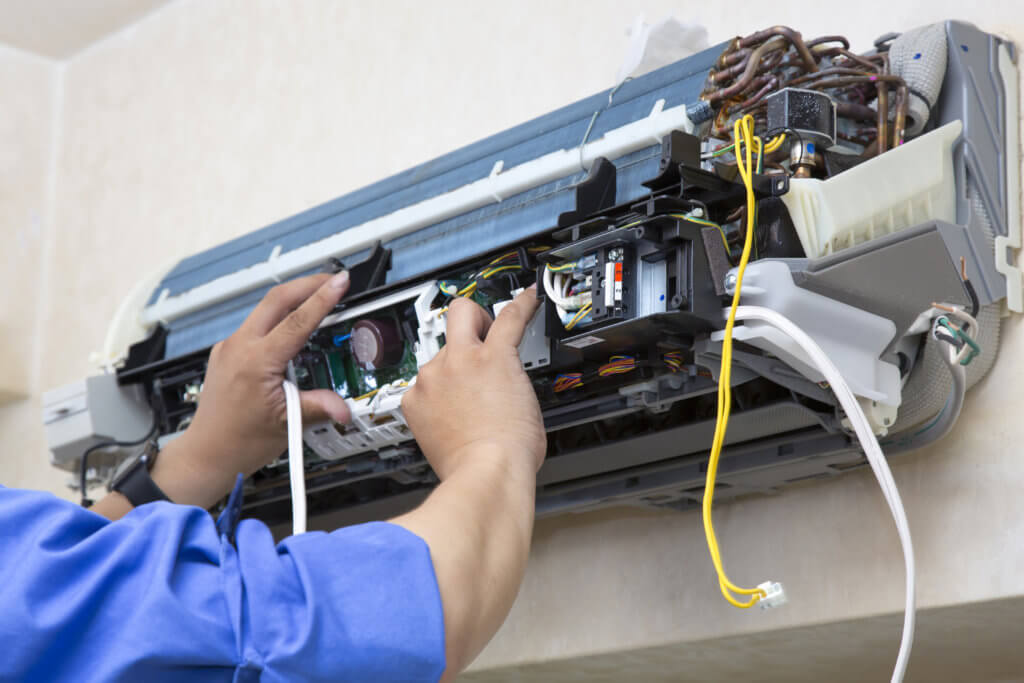
The Essentials of Climate Control: Maintaining Efficiency, Air Quality, and System Longevity
Executing a comprehensive Air Con Service is the single most critical step in ensuring home comfort, structural safety, and long-term energy efficiency. The modern internal climate control system is a highly complex, finely tuned piece of thermodynamic and mechanical engineering. Across residential suburbs and dense commercial office parks, these cooling units work continuously to regulate indoor temperatures, extract excess atmospheric moisture, and filter out airborne pollutants. However, because these systems operate mostly out of sight—hidden away in ceiling cavities, rooftop spaces, or outdoor utility areas—their mechanical health is frequently taken for granted by property owners. Neglecting routine maintenance does not merely result in a minor drop in cooling speed; it initiates a steady cycle of structural wear, high energy bills, and potential air quality hazards that can severely disrupt a household’s daily comfort and financial stability.
The Thermodynamic and Fluid Dynamics of Mechanical Cooling
To appreciate the necessity of technical care, one must first explore the complex physics that govern modern air conditioning. A climate control unit does not actually generate cold air; instead, it functions as a heat exchange mechanism that extracts thermal energy from inside a building and dumps it outdoors. This cycle relies heavily on the behavior of a specialized chemical compound known as refrigerant, which flows continuously between the indoor evaporator coils and the outdoor compressor unit.
As warm indoor air is drawn across the freezing evaporator coils by a high-powered blower fan, the refrigerant inside absorbs the ambient heat, transforming from a low-pressure liquid into a gas. This heat-laden gas is then pumped outdoors to the compressor, which compresses the molecule to raise its temperature even further, allowing the outdoor condenser coils to shed the heat into the surrounding atmosphere. This continuous thermodynamic transformation requires an absolute balance of fluid pressures, uninhibited airflow, and immaculate component cleanliness. If even a single variable in this delicate cycle is compromised by dust accumulation or minor mechanical friction, the efficiency of the entire system degrades, forcing the hardware to consume significantly more electrical power to achieve standard cooling targets.
The Architectural Threat of Obstructed Airflow and Debris Accumulation
The primary enemy of mechanical longevity and energy optimization within any cooling system is the gradual, unhindered accumulation of airborne debris. Everyday indoor air is filled with microscopic particles, including organic dust mites, textile fibers, pet dander, and volatile organic compounds. The system’s internal filtration matrix is designed to capture these particles before they can settle on sensitive mechanical parts, but these filters possess a finite storage capacity.
When an internal filter becomes heavily blocked with dust, it acts as a physical barrier that chokes the incoming airflow. This airflow restriction strains the blower fan motor, forcing it to draw higher electrical currents while shifting less air across the property. Furthermore, the lack of warm airflow across the evaporator coils causes their surface temperature to drop below freezing, leading to the rapid accumulation of solid ice blocks over the delicate copper lines. This ice layer acts as an insulator, completely blocking further heat absorption and potentially sending liquid refrigerant backward into the compressor motor—a catastrophic mechanical failure known as liquid slugging that can permanently destroy the core engine of your climate network.
Restoring Energy Efficiency and Sclashing Carbon Footprints
In the contemporary economic landscape, household utility expenses represent a significant portion of monthly operational budgets. Air conditioning systems are naturally the highest consumers of electrical energy within a building, meaning that any drop in mechanical performance impacts a property owner’s finances directly. When cooling coils are coated in a fine layer of dust and dirt, the material acts as a thermal insulator, forcing the compressor to run for extended intervals to reach the desired thermostat settings.
Scheduling a systematic, professional Air Con Service reverses this hidden financial drain by meticulously sanitizing the heat exchange surfaces, calibrating sensor networks, and verifying optimal refrigerant charges. Removing these invisible operational bottlenecks allows the system to complete its cooling cycles much faster, cutting everyday power consumption by up to thirty percent. This optimization does not merely protect the household budget from sudden spikes; it directly lowers the building’s overall carbon footprint, contributing significantly to broader environmental sustainability goals while ensuring that internal components operate well within their designed safety margins.
The Hidden Microbiological Hazard of Condensation Networks
Beyond temperature management, an air conditioner plays a massive role in maintaining indoor air safety and respiratory health. As warm, humid indoor air hits the freezing evaporator coils, the moisture in the air condenses into liquid water droplets on the metal surfaces, effectively lowering the ambient humidity of the home. This wastewater drips down into a specialized internal condensation pan and is directed out of the building through a network of small drainage pipes.
However, this dark, damp internal drainage environment serves as a breeding ground for biological contaminants if left unmanaged. Dust particles that escape the primary filters can mix with the standing water, forming a thick organic sludge that blocks the narrow drain lines. This blockage causes the toxic wastewater to back up and overflow, leading to severe drywall rotting, structural ceiling stains, and the rapid growth of toxic mold colonies inside the air delivery system. When the unit is activated, it can scatter invisible mold spores and allergens throughout the home, leading to chronic respiratory irritation, fatigue, and severe asthma flare-ups for the building’s residents.
Electrical Diagnostics and the Prevention of Catastrophic Failures
The mechanical movement of an air conditioning unit is controlled entirely by a dense array of high-voltage electrical circuits, heavy-duty capacitors, and digital control boards. Over months of intense seasonal operation, the continuous vibration of the compressor and fan motors can cause electrical terminations to loosen, creating high-resistance points that generate dangerous levels of localized heat.
During a professional maintenance audit, technicians utilize specialized diagnostic tools to measure electrical current draws, check circuit continuity, and inspect contactor points for signs of structural pitting or burning. Replacing a weak, fading capacitor early prevents sudden failures during extreme heatwaves when the system is subjected to maximum load. This proactive electrical management eliminates the risk of short circuits, protects expensive control boards from sudden power surges, and removes the underlying electrical hazards that can trigger devastating structural building fires, ensuring that your home’s cooling infrastructure remains robust and safe.
Conclusion: Securing Long-Term Visual and Thermal Comfort
In conclusion, the transition from reactive emergency repairs to proactive, structured climate care represents a definitive milestone in modern property management and domestic wellness. We have left behind the primitive era of running mechanical equipment until it experiences complete operational failure, entering a sophisticated age defined by thermodynamic optimization, indoor air quality management, and rigorous energy efficiency monitoring. By treating your climate network not as a disposable household appliance, but as an essential piece of building infrastructure that demands regular engineering calibration, you protect your capital investment and secure an uncompromised competitive advantage over rising utility costs.
The long-term reliability and physical comfort provided by our homes depend entirely on the care choices we make today. Minimizing operational friction and maximizing equipment life is a practical reality built on organized planning, verified data, and an unwavering commitment to quality. Sourcing your technical solutions from verified, high-performance platforms ensures that when seasonal extremes arrive, your indoor environment remains beautifully structured, healthy, and perfectly balanced, allowing your family to step out into the world with absolute peace of mind for the many years ahead.