186 ideas in 30 minutes: NextGen AI Leaders get their projects underway in Marseille
By Rocío Valderrábano and Brian Veseling
It took only half an hour for the members of WAN-IFRA’s NextGenAI Leaders to brainstorm 186 ways in which artificial intelligence could support their leadership growth and their team’s development.
These ideas ranged from workflow optimisation to potential new products. But these didn’t come alone; they were the result of the first six weeks of work, where the participants of our three-month-long programme, in partnership with the Google News Initiative, drafted a personal leadership canvas. This tool allowed them to identify opportunities that aligned with their roles, which could expand both their newsroom’s capabilities and their AI adoption.
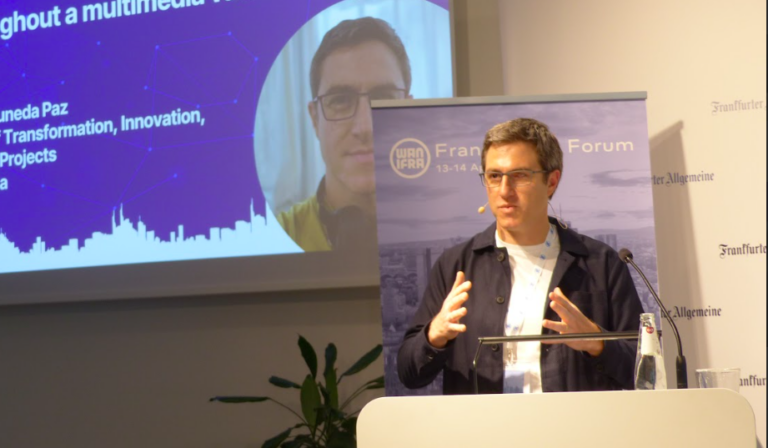
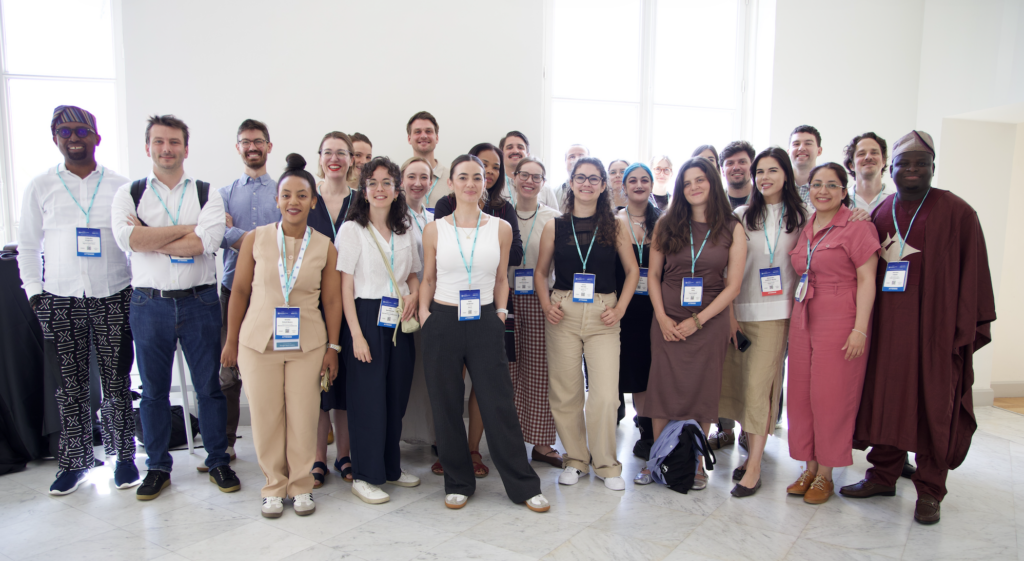
Following their inaugural meeting in Germany, during our Frankfurt AI Forum, the group gathered in Marseille, just ahead of the start of our Congress there, for their mid-point residency.
The goal of this mid-point residency was to identify the kind of AI tools they could start building and take back to their organisations, based on the needs identified in their leadership canvases, as well as the hurdles they would need to overcome to make them possible.
“One thing about the mindset these next two days, I think very importantly, it’s not just about this one thing that we are building here – it’s about building a muscle so that over the next months or years, you can build things that can help you in your work,” mentioned trainer Patrick Swanson said Patrick Swanson, co-founder of Verso, USA, who is one of the three instructors helping to guide the participants through the programme.
Pictures by Rocío Valderrábano & Jafar Barry
From thinking and planning to development
Participants were divided into six pods based on thematic clusters identified in their canvases. Coaches grouped people facing similar challenges in areas such as editorial workflows, audience intelligence and adoption strategy & cultural change: “Challenges where you can equally profit from working with each other in these pods,” continued Swanson.
“Today is the inflection point,” noted Kaveh Waddell, also an instructor for the group. “We’re going to go from a lot of thinking that you have been doing with your colleagues and us about your organisation, and where your organisation sits, and really narrow it down and make it concrete. You’re going to come out of these two days with a plan, and start building the tool, the system or the artefact that you want to work on for the coming month.”
Narrowing down was not an easy task.
A common theme for many of the NextGen participants was the feeling that they are often working in isolation or caught between different groups within their companies, while facing complex issues and lacking the support that can come from teams and colleagues.
Next steps: Evaluate viability, assess challenges and identify stakeholders
However, this did not impede the cohort from leaving the room with a preliminary prototype. The next steps: evaluate the project viability, assess technical and/cultural challenges, and identify the stakeholders they need to bring on board to make the prototypes a reality.
Instructor Anita Zielina CEO, Better Leaders Lab, Austria, added: “Even if you don’t have legacy things weighing you down, there’s no guarantee that you are going to wake up one morning and be agile, and fast and user-centric. So for you, I think the headline is ‘How can we make this fast, agile and user-centric?”
The honest conversations held in the room reflected a growing willingness of news organisations to continue sharing strategies and lessons learned from AI adoption, bridging the gap between top-level executives and younger leaders.
As Chibuike Alagboso, Director of Media Programmes at Nigeria Health Watch and member of this cohort, underlined: “We talk a lot in journalism about humanising stories. What the residency gave me was a chance to humanise the work itself: to sit with other leaders, compare problems we’re each trying to solve, and recognise how much of it is shared.
“The highlight, though, is what comes next. I’m now in a pod with three other leaders, and we’ve committed to going deeper together by supporting each other, holding each other accountable, and cheering each other on as we build and grow. That kind of company is rare, and it’s what I brought home with me,” Alagboso added.
About the NextGenAI programme
The NextGen AI Leaders is a WAN-IFRA executive programme in partnership with the Google News Initiative, designed to empower young media leaders, entrepreneurs, and first-time managers interested in building more equitable media ecosystems through responsible AI deployment and strategic leadership. Tailored for those who work in small, mid-size, and local news organisations across the EMEA region, the programme bridges the gap between leadership impact and technological evolution.